Best Merrell Glove Alternatives
Merrell Trail Glove alternatives
What Merrell's minimalist line is genuinely best at - and which zero-drop shoes to buy instead when the toe box, the stack height or the model churn rules it out.
By Brijon M. · Updated October 2026
If toe room is why you are looking, the Xero Shoes Prio is the straight swap and the Lems Primal Zen is the wider one. If 14 mm felt like too much shoe, the Vivobarefoot Primus Lite III is thinner. If price was the problem, the Saguaro Chaser gets you the shape for far less.
How this page is funded: some links here are Amazon affiliate links, so we may earn a commission if you buy — at no extra cost to you. It never changes which products we include or how we rank them, and we take no payment from brands for placement. Full disclosure.

Quick picks
Tap any row to jump to the full write-up. Selection is specification-led, not wear-tested — how we choose.
| # | Product | Best for | Price |
|---|---|---|---|
| 1 | 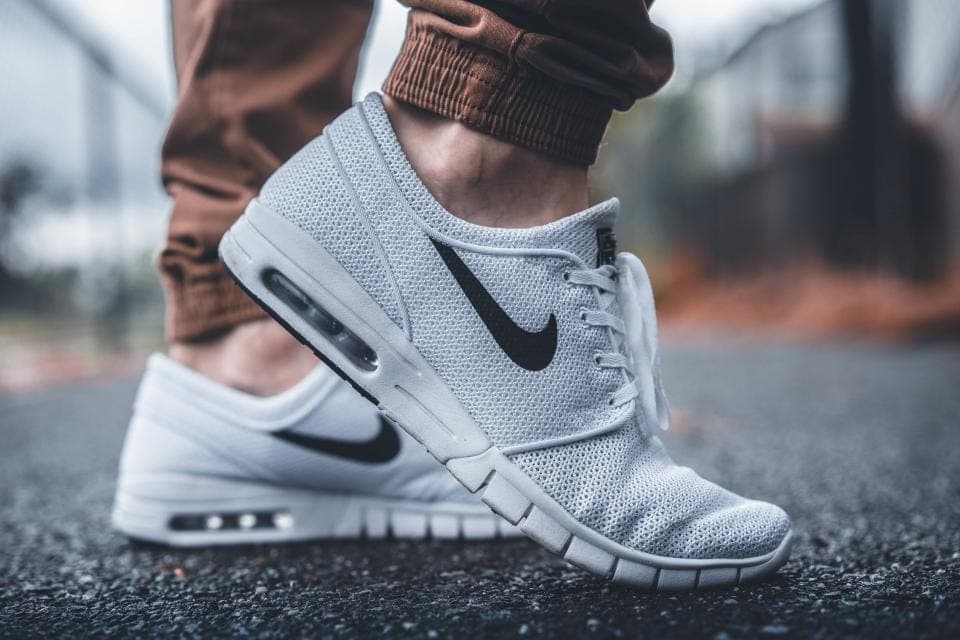 Best overall alternativeXero Shoes PrioThe closest thing to a default first barefoot shoe: genuinely wide, genuinely flexible, and cheap enough that a failed experiment does not hurt. | The same flat, thin idea with a wider forefoot | |
| 2 |  Best for toe roomLems Primal ZenLems builds one of the roomiest everyday lasts in the category - if other barefoot shoes still feel tight across the toes, start here. | An extra-wide last, if Merrell pinched your little toe | |
| 3 |  Closest to the Trail Glove 7Xero Shoes Scrambler LowAn 11.5 mm stack with 4 mm of foam and a removable 3.5 mm insole - the most forgiving zero-drop shoe here, and the one we would hand a nervous switcher. | A comparable stack with a wider shape | |
| 4 | 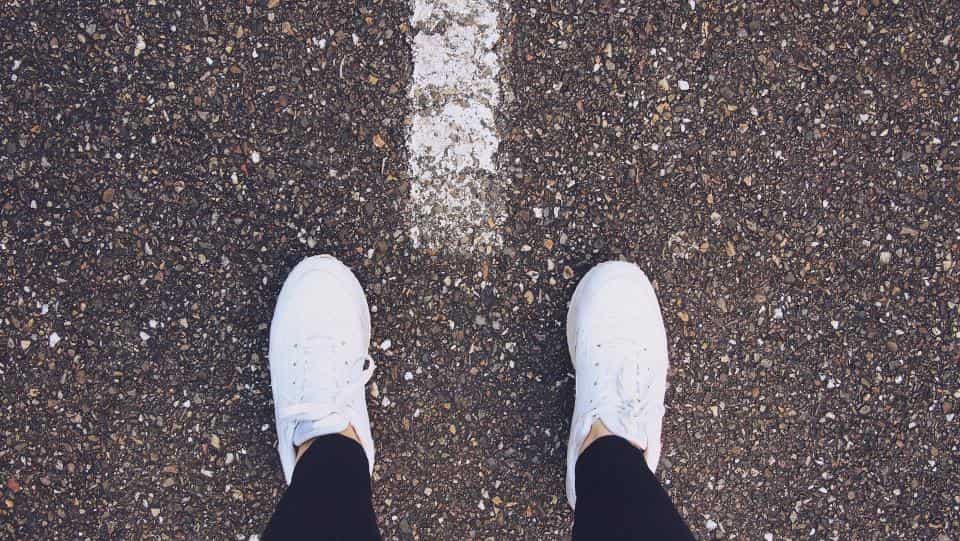 Thinnest alternativeVivobarefoot Primus Lite IIIA 2 mm sole with 2 mm of tread at 7.9 oz. About as close to barefoot as a closed shoe gets, and the yardstick everything else is measured against. | Less underfoot than a Vapor Glove, with a wide toe box | |
| 5 |  Best on trailXero Shoes Mesa Trail WPAn 8 mm stack built from a 5 mm outsole and 3 mm midsole, which keeps real ground feel on trail - the trade-off is that you feel every rock too. | A thin waterproof trail shoe instead of the Trail Glove | |
| 6 | 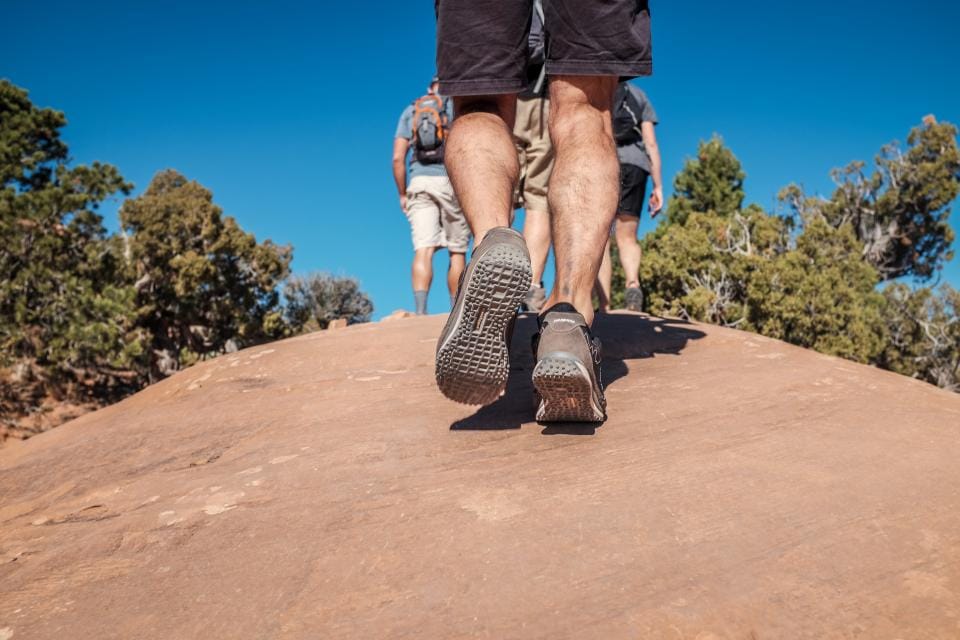 Widest alternativeFreet HowgillFreet's hallmark is a very wide foot shape, and the Howgill is their light, soft hiking option for people whose toes need the room. | An extra-wide hiking last when wide is not wide enough | See it at Freet #ad — brand-direct link, we earn nothing on it. Why we still list it |
| 7 | 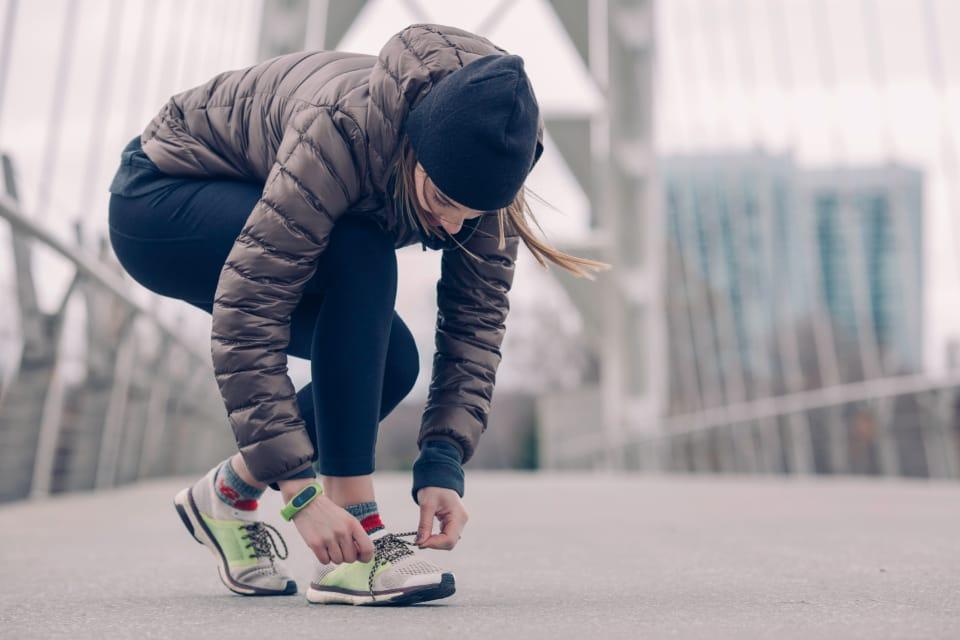 Best budgetSaguaro Chaser (Smart II / Vitality III)The roomiest of the budget marketplace brands - more space around the ankle and over the toes than WHITIN, which is the difference that matters if you have a thick foot. | The roomy flat shape at a fraction of the price | |
| 8 |  Cheapest way to test the shapeWHITIN Minimalist Trail RunnerA zero-drop, wide-toe-box knit shoe at roughly a third of what the established brands charge - and the cheapest honest way to find out if this suits you. | Finding out whether a wide toe box is the fix |
#ad Prices come from the retailer and change; we never publish a figure we have not verified live. Affiliate disclosure.
Almost nobody searches for an alternative to a bad shoe. They search for an alternative to a good one that is wrong for their foot, and the Merrell Glove line is one of the clearest examples in this whole category. These are well-made, genuinely zero-drop shoes with Vibram rubber under them, and they are also among the narrowest minimalist shoes you can buy.
That combination produces a very specific disappointment. You read that barefoot shoes let your toes spread, you bought the mainstream option in a shop you already trusted, and your little toe is still folded against the side of the shoe. The flatness worked. The width did not. So this page is organized by which of the four reasons applies to you, because the right replacement for "my toes are cramped" is a different shoe from the right replacement for "14 mm is too much shoe."
What the Glove line is genuinely best at
Worth saying plainly before replacing it, because the reputation is earned on four specific things.
- Vibram traction. Both Gloves use Vibram outsoles, and on wet rock that is a meaningful difference from the soft generic compounds under most marketplace barefoot shoes.
- A secure heel. Our brand profile records Merrell as moderate volume with a heel that actually holds - rare in a category where generous forefoot room usually arrives with heel slip.
- Sizing you can buy blind. Merrell sizes like conventional athletic footwear, with half sizes and some widths depending on model. Nearly every dedicated barefoot brand instead wants you to measure your foot and compare it to a published internal length.
- Availability. It is stocked by mainstream outdoor retailers, so you can try a pair on in person and return it without an international shipping label. Very few barefoot brands can say that.
If none of the four reasons below is yours, buy the Merrell. We would rather tell you that than sell you around it - our Merrell fit profile has the sizing detail, and Merrell Vapor Glove vs Trail Glove sorts out which of the two you actually want.
The four reasons people look elsewhere
How we chose
The criteria, applied in this order:
- Zero drop, verified. Every pick is published at 0 mm heel-to-toe drop by its maker or by a retailer listing cited on the card. A flat-looking shoe is not a flat shoe.
- It has to answer one of the four reasons above. A shoe that is equally narrow, equally priced and equally thin is not an alternative - it is the same purchase with a different logo.
- A wider forefoot than Merrell's, with one deliberate exception. The Vivobarefoot Primus Lite III is here for thinness; it is wide across the ball of the foot but low volume over the instep, which Merrell is not. Noted on its card.
- Currently purchasable in the US. Re-checked on 2026-11-14. Where a shoe is realistically brand-direct rather than on Amazon, the card says so and the link earns us nothing.
- Published specifications we could attribute. Where a brand does not publish a stack height in a form we could verify, the figure is omitted rather than estimated.
If the problem is the toe box
This is the most common reason by a wide margin, and it is worth being precise about what went wrong. A barefoot shoe is supposed to have three properties: zero drop, a thin flexible sole, and a toe box shaped like a foot. Merrell's minimalist line delivers the first two and not the third. Our brand profile records the toe box as moderate to narrow, with the Vapor Glove explicitly described as restrictive, and our skip-if note on the brand is blunt: if toe splay is your reason for switching, this is not the line.
So the fix is a different shape, not a bigger size. In rough order of how much room you get:
- Xero Shoes Prio - the straight swap. Mesh, flat, flexible, mid price band, a removable 2 mm insole so you can go thinner later, and a genuinely wide forefoot. The catch is the huarache-style lacing panel, which can press on a high instep.
- Lems Primal Zen - the wide one. Classified extra-wide in our registry, and notably tall through the toe box, which matters for a hammer toe or a prominent big-toe joint. The catch is the exact opposite of Merrell's strength: a roomy heel that slips on a narrow one.
- Freet Howgill - the extra-wide hiking answer when even Lems is not enough. Soft rather than structured, and UK brand-direct in practice, so factor in shipping and a slower return.
- Saguaro Chaser - the budget version of the same shape, and the roomiest of the marketplace brands through the instep as well as over the toes.
If you want the width question handled properly rather than as a footnote, the best wide toe box shoes ranks the whole registry on shape, and the wide feet roundup sorts it by how wide your foot actually measures. Xero Shoes vs Merrell is the head-to-head version of this exact argument if you only want the two-shoe answer.
If the problem is stack height - in either direction
The Glove line spans a bigger range than people expect, which is why it produces complaints in both directions. The Vapor Glove 6 is published at 8 mm total and the Trail Glove 7 at 14 mm with a firm rather than soft feel. One of those is too thin for a first month on concrete; the other is more shoe than some buyers wanted. Decide which end you are leaving from before you order.
Two practical notes on that table. If you are coming off a Vapor Glove because it hurt on hard floors, the Xero Shoes Scrambler Low is the shoe we would hand you - 11.5 mm with 4 mm of foam and a removable 3.5 mm insole, so it thins out as your feet adapt. And if you are going the other way, nothing here is thinner than the Primus Lite III at 4 mm total, which is a training stimulus rather than a comfort feature. The beginners roundup is sorted on exactly this axis.
If the problem is price
The Gloves sit in the mid band, which can feel like a lot for a shoe with very little in it - a complaint that is more about perceived value than about money. The budget marketplace brands - Saguaro, WHITIN, HOBIBEAR, JOOMRA - sell genuinely zero-drop, genuinely wide-toe-box shoes at a fraction of it. What they do not sell is durability: soft outsole compounds, thin uppers, and sizing that moves between colorways.
Between the two we rank highest, the difference is volume rather than price. Saguaro Chaser runs roomier over the instep and around the ankle; the WHITIN Minimalist Trail Runner runs lower, and you will feel the laces if your foot is deep. Neither has anything like Vibram rubber underneath, and on pavement that shows up as wear rather than as grip. The affordable barefoot shoes roundup covers which corners get cut at that price.
If the problem is that your model disappeared
This is the reason that catches people who actually liked their Merrells. The line iterates on a mainstream outdoor-brand schedule: as of November 2026, REI lists both the Trail Glove 7 and the Vapor Glove 7 as current models, and earlier versions survive as discounted clearance stock in whichever sizes and colorways are left. If you found the one pair that fit, there is no guarantee the next generation uses the same last.
There are two honest responses. The first is to buy a second pair of the version you like while it is on clearance, which is cheaper than it sounds given how far discontinued stock gets marked down. The second is to move to a brand whose catalog moves more slowly - Xero Shoes keeps models in the range for years and sells them first-party through Amazon, which is also the easiest place to exchange a size. Our Xero fit profile covers how its range maps onto Merrell's.
Model for model: the closest swap for each Glove shoe
If you had a specific pair in your cart, this is the table you want. "Closest" means closest in job, not closest in specification - where the alternative is materially different underfoot, the row says so.
What you give up by leaving
Three things, and all three are worth knowing before you order.
The outsole. Vibram rubber on a minimalist shoe is not a marketing line - it is the difference between confidence and caution on wet rock. Of everything on this page, only the Softstar Megagrip Primal RunAmoc uses a Vibram compound, and it is a made-to-order moccasin at a premium price. The marketplace brands sit at the opposite end of that scale.
The heel. Merrell holds a heel better than most of this category, and the shoes that give you the most forefoot room - Lems, Freet, Saguaro - are precisely the ones most likely to let it move. If your Merrells fit everywhere except the toes, try the Xero Prio before you go to the extra-wide options.
Durability, if you wear them to work. The Vibram outsole and the mainstream construction are why the Trail Glove 7 is the grip-and-durability pick in the best barefoot work shoes, and a shoe worn five days a week on a hard floor punishes the budget alternatives here far faster than a weekend pair would. If this is a work purchase rather than a weekend one, cost it per month of wear before you drop to a marketplace brand.
Buying blind. You can order a Merrell in your normal size with reasonable confidence. Every barefoot-native brand here wants you to measure your foot in millimeters and compare it to a published internal length, and the budget brands are inconsistent between colorways on top of that. The cross-brand sizing table exists for exactly this moment.
If you are working the same problem from a different brand, Xero Shoes alternatives, Vivobarefoot alternatives, Lems Shoes alternatives and Vibram FiveFingers alternatives are the companion pages to this one.
Before you order: fit and transition
Two things matter more than which shoe on this page you pick, and both are free.
Get the size right. Barefoot brands size from internal length rather than from a conventional size label, and you need roughly 10 to 15 mm beyond your longest toe — more than a normal fitting leaves. Measure your feet, then use the sizing guide and the cross-brand table. Sizing up to get a wider shoe does not work: lasts scale in length, so you get heel slip and toes sitting behind the widest part of the shoe.
Build up slowly. The documented risk in this category is bone stress injury from a rushed transition — in one MRI study of 36 runners, 10 of the 19 who spent 10 weeks moving into minimal shoes developed new bone-marrow edema, mostly without symptoms. Keep your current shoes, add minimal-shoe hours gradually, and judge by how your feet feel the next morning. The transition plan.
Brand-specific: do not carry your Merrell size across. Merrell sizes like conventional athletic footwear and almost nothing else here does - Xero publishes per-model internal length, Lems runs long because the toe box extends forward and reviewers commonly size down, and the marketplace brands move between generations. Measure first, then check the brand's own internal length figure.
The picks in detail
The eight alternatives in rank order, each with the reason it is here and the honest catch.
1. Best overall alternative
Xero Shoes Prio
The closest thing to a default first barefoot shoe: genuinely wide, genuinely flexible, and cheap enough that a failed experiment does not hurt.
What works
- Removable 2 mm insole, so you can go thinner as your feet adapt
- Wide enough for most square and plateau foot shapes
- Flexes and rolls flat, which is the quickest way to spot a fake minimalist shoe
What does not
- The lacing panel can pressure a high instep
- Thin heel padding is noticeable on hard floors for the first week
Skip these if: You have a high-volume foot and dislike lace pressure across the top, or you need any cushioning at all on day one.
Specifications as published by the maker and reported by Xero Shoes Prio listing specifications. We have not measured them ourselves. Xero Shoes fit profile
2. Best for toe room
Lems Primal Zen
Lems builds one of the roomiest everyday lasts in the category - if other barefoot shoes still feel tight across the toes, start here.
What works
- Among the widest forefoot shapes available off the shelf
- High enough toe box for a tall big toe or a hammer toe
- Flexes flat and packs small
What does not
- The width that makes it work looks bulbous to some people
- Heel can be loose on a narrow heel
Skip these if: You have a narrow foot - all that room becomes heel slip and a sloppy fit.
Specifications as published by the maker and reported by Lems Shoes product listing, Primal Zen. We have not measured them ourselves. Lems Shoes fit profile
3. Closest to the Trail Glove 7
Xero Shoes Scrambler Low
An 11.5 mm stack with 4 mm of foam and a removable 3.5 mm insole - the most forgiving zero-drop shoe here, and the one we would hand a nervous switcher.
What works
- The removable 3.5 mm insole gives you two shoes in one as your feet adapt
- Enough foam to survive a full day on concrete in week one
- Still flexes and still zero drop
What does not
- 11.5 mm is a lot of shoe if you came for ground feel
- Heavier than the rest of the line
Skip these if: You have already transitioned and want maximum ground feel - this will feel like a normal sneaker.
Specifications as published by the maker and reported by Outdoor Life, best barefoot shoes 2026 stated specifications. We have not measured them ourselves. Xero Shoes fit profile
4. Thinnest alternative
Vivobarefoot Primus Lite III
A 2 mm sole with 2 mm of tread at 7.9 oz. About as close to barefoot as a closed shoe gets, and the yardstick everything else is measured against.
What works
- The thinnest sole here that still works as an everyday shoe
- Genuinely wide forefoot with a rounded, foot-shaped last
- Ships with access to the brand's own barefoot fundamentals course
What does not
- 4 mm total underfoot is brutal on concrete until your feet adapt
- Low volume through the midfoot - not for a high instep
- The most expensive shoe in most of our roundups
Skip these if: You are transitioning, you have a high-volume foot, or you stand on concrete all day. All three are real reasons to start thicker.
Specifications as published by the maker and reported by Outdoor Life, best barefoot shoes 2026 stated specifications. We have not measured them ourselves. Vivobarefoot fit profile
5. Best on trail
Xero Shoes Mesa Trail WP
An 8 mm stack built from a 5 mm outsole and 3 mm midsole, which keeps real ground feel on trail - the trade-off is that you feel every rock too.
What works
- Among the thinnest genuinely trail-rated soles you can buy
- Waterproof version adds very little weight
- Lugs bite on loose dirt without feeling like a plate underfoot
What does not
- No rock plate, so sharp gravel is punishing
- A waterproof membrane in a thin shoe means slow drying once water gets in over the collar
Skip these if: You hike rocky or scree-heavy terrain, or you are in your first month out of cushioned shoes.
Specifications as published by the maker and reported by Blister Review, Xero Mesa Trail stated specifications. We have not measured them ourselves. Xero Shoes fit profile
6. Widest alternative
Freet Howgill
Freet's hallmark is a very wide foot shape, and the Howgill is their light, soft hiking option for people whose toes need the room.
What works
- One of the widest hiking lasts available anywhere
- Light and soft rather than stiff and protective
- Flexes properly over uneven ground
What does not
- Soft upper gives no structure on side-slopes
- UK brand, so US buyers deal with international shipping
Skip these if: You carry a heavy pack over rock, or you have a narrow foot.
Specifications as published by the maker and reported by Anya's Reviews, best barefoot hiking boots and shoes. We have not measured them ourselves. All brand fit profiles
7. Best budget
Saguaro Chaser (Smart II / Vitality III)
The roomiest of the budget marketplace brands - more space around the ankle and over the toes than WHITIN, which is the difference that matters if you have a thick foot.
What works
- More instep volume than WHITIN at the same price
- Whole-family sizing, including kids
- Very minimal sole for the money
What does not
- Thin, cheap outsole wears quickly on pavement
- Model naming changes between generations, so repeat purchases are a lottery
Skip these if: You have a low-volume or narrow foot - this will feel like a slipper.
Specifications as published by the maker and reported by Anya's Reviews, Saguaro barefoot shoes review. We have not measured them ourselves. Saguaro fit profile
8. Cheapest way to test the shape
WHITIN Minimalist Trail Runner
A zero-drop, wide-toe-box knit shoe at roughly a third of what the established brands charge - and the cheapest honest way to find out if this suits you.
What works
- The lowest-risk way to test barefoot shoes at all
- Removable sockliner, so you can thin it out over time
- Wide toe box that genuinely is wide
What does not
- Low volume through the instep compared with Saguaro
- Build quality is what the price suggests - it will not last years
- Sizing is inconsistent between colorways
Skip these if: You have a high instep or a high-volume foot - WHITIN runs low and you will feel the laces.
Specifications as published by the maker and reported by That Fit Friend, WHITIN Minimalist Trail Runner review. We have not measured them ourselves. WHITIN fit profile
Common questions
What is the closest shoe to the Merrell Trail Glove?
For the job it does - a flat, thin, grippy shoe you can hike a day in - the Xero Shoes Mesa Trail WP is the nearest match, at a published 8 mm against the Trail Glove 7's 14 mm, with a waterproof membrane added. If you want to keep the cushioning, the Xero Shoes Scrambler Low at 11.5 mm is closer underfoot and considerably wider through the forefoot.
Is the Merrell Vapor Glove wide enough for toe splay?
Generally no, and that is the single most common reason people replace it. Our brand profile records Merrell's minimalist last as moderate to narrow, with the Vapor Glove explicitly restrictive in the toe box. It is a flat, thin shoe rather than a foot-shaped one. If toe room is your goal, the Xero Shoes Prio or the Lems Primal Zen are the fixes.
Is there a cheaper alternative to the Merrell Trail Glove?
Yes. The Saguaro Chaser and the WHITIN Minimalist Trail Runner are both genuinely zero drop with genuinely wide toe boxes at budget prices, and both cost a fraction of what a Glove does. The honest limitations are durability and the outsole - neither has anything like Vibram rubber, and both wear quickly on pavement.
Does Merrell still make the Trail Glove and Vapor Glove?
Yes. As of November 2026 REI lists the Trail Glove 7 and the Vapor Glove 7 as current models, and the Trail Glove 7 is also stocked by Backcountry and Road Runner Sports. What does disappear is a specific earlier version in your size and colorway, which is why people who liked one generation end up looking for an alternative to it.
Which alternative keeps the Vibram outsole?
Only one on this page: the Softstar Megagrip Primal RunAmoc, which uses a Vibram Megagrip sole at 9.5 mm with no insole, made to order in the USA. It is a premium, brand-direct moccasin with a lead time, and we earn nothing on the link. Everything else here trades the Vibram compound for width, price or thinness.
Should I size up in a Merrell to get more toe room?
It does not work. Lasts are graded in length rather than in width, so a half size up adds roughly a millimeter across the ball of the foot and moves your toes behind the widest part of the shoe, while the heel starts to slip. Changing shape is the only fix - measure your foot width, then buy a shoe built on a wide last.
Sources
- Outdoor Life, best barefoot shoes 2026 — stated stack heights and weights
- RunRepeat barefoot running shoes catalog
- Ridge et al., foot bone marrow edema after 10-week transition to minimal footwear
- REI, Merrell Trail Glove 7 trail-running shoes - men's listing
- REI, Merrell Vapor Glove 7 trail-running shoes - men's listing
- BikeHikeSafari, best barefoot shoes 2026 - stated stack heights
- Anya's Reviews, Saguaro barefoot shoes review
Accessed October 2026. Where a source is a manufacturer, the specification is theirs as published — we have not measured it.
Read next
Easiest to Buy
Merrell barefoot: fit, sizing and the toe-box catch
Genuinely thin and zero drop with Vibram outsoles, on a narrow last — right for narrow feet, wrong for splay.
By Brijon M. · Updated October 2026
Top pick: Merrell Trail Glove 7
Best Lems Alternatives
Lems Shoes alternatives
Eight zero-drop alternatives to Lems, sorted by the four reasons people leave: heel slip, sizing that runs long, the bulky look, and price - plus the one model with no real replacement.
By Brijon M. · Updated October 2026
Top pick: Xero Shoes Prio
Best Xero Shoes Alternatives
Xero Shoes alternatives
Eight zero-drop alternatives to Xero Shoes, sorted by the four complaints that send people looking: the lacing panel, width, stack height and price.
By Brijon M. · Updated October 2026
Top pick: Lems Primal Zen

Xero vs Merrell
Xero Shoes vs Merrell
Xero builds wide lasts, Merrell builds narrow ones with Vibram outsoles: which brand fits your foot, across four models.
By Brijon M. · Updated October 2026
Top pick: Xero Shoes Prio

Vapor vs Trail Glove
Merrell Vapor Glove vs Trail Glove
8 mm against 14 mm, narrow against moderate: which Merrell minimalist shoe suits your terrain, and when neither does.
By Brijon M. · Updated October 2026
Top pick: Merrell Trail Glove 7
Best Wide Toe Box
Best wide toe box shoes (October 2026)
Seven shoes ranked on last geometry — width at the ball, where that width sits, toe-box height and toe spring.
By Brijon M. · Updated October 2026
Top pick: Lems Primal Zen