Minimalist vs Barefoot
Minimalist vs barefoot shoes
The older term and the newer one, and the difference is almost entirely about the toe box.
By Brijon M. · Updated October 2026
Minimalist shoes are thin and flat but often keep a conventional, tapered toe box — the Merrell Vapor Glove is a good example. Barefoot shoes add a wide, foot-shaped last. If your complaint is cramped toes, that distinction decides which half of the market works for you.
How this page is funded: some links here are Amazon affiliate links, so we may earn a commission if you buy — at no extra cost to you. It never changes which products we include or how we rank them, and we take no payment from brands for placement. Full disclosure.

Quick picks
Tap any row to jump to the full write-up. Selection is specification-led, not wear-tested — how we choose.
| # | Product | Best for | Price |
|---|---|---|---|
| 1 |  Best minimalist for narrow feetMerrell Vapor Glove 6An 8 mm stack with a Vibram outsole and a deliberately snug toe box - which makes it the wrong shoe for splay and the right shoe for a narrow foot. | A slim foot that slips in wide shoes | |
| 2 |  Best barefoot all-rounderXero Shoes PrioThe closest thing to a default first barefoot shoe: genuinely wide, genuinely flexible, and cheap enough that a failed experiment does not hurt. | A wide foot and a first minimal shoe | |
| 3 |  Widest barefoot lastLems Primal ZenLems builds one of the roomiest everyday lasts in the category - if other barefoot shoes still feel tight across the toes, start here. | When even wide shoes pinch | |
| 4 | 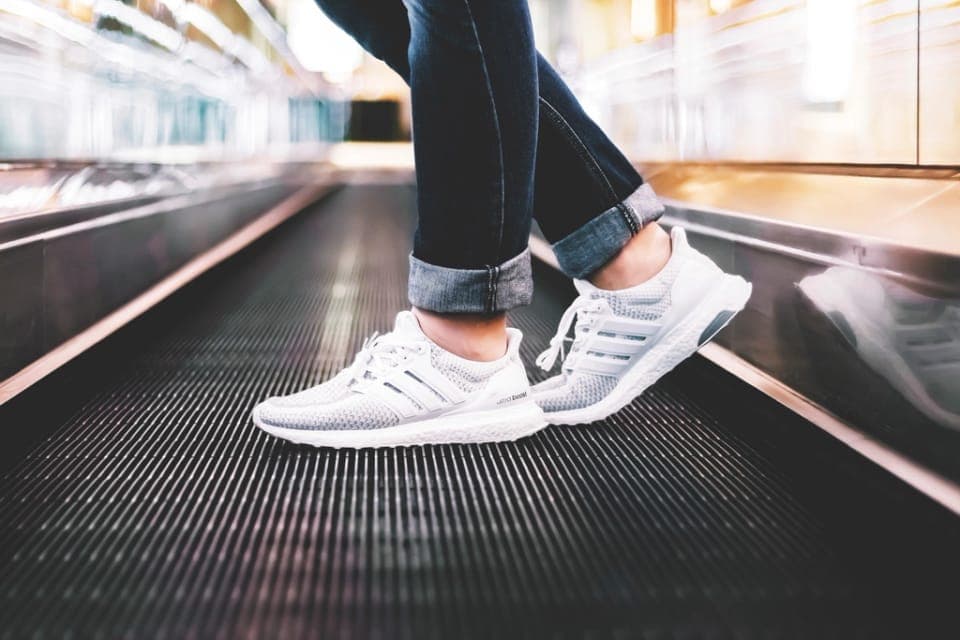 Best minimalist for trailMerrell Trail Glove 7A 14 mm stack, zero drop and a Vibram outsole - the most mainstream way to hike in a minimalist shoe, available waterproof or not. | Thin and flat with real traction |
#ad Prices come from the retailer and change; we never publish a figure we have not verified live. Affiliate disclosure.
"Minimalist" is the older word. It came out of the running world around 2010 and it meant: less shoe. Less cushioning, less drop, less structure, less weight. What it did not necessarily mean was a wider toe box — a lot of early minimalist running shoes were thin, flat and as narrow as the racing flats they descended from.
"Barefoot" is the newer word and it carries the extra requirement: the shoe should be shaped like a foot. Wide at the ball, wide at the toes, with room for the toes to spread. That is the practical difference, and for a lot of readers it is the whole difference that matters.
Side by side
Why this distinction is genuinely useful
Because a narrow foot is a real foot, and the barefoot internet tends to forget it. If your foot is slim and your heel is narrow, a wide barefoot last gives you heel slip, a sloppy forefoot and a shoe you cannot run in. A minimalist shoe with a conventional last gives you the thin flexible sole and the level platform and actually holds your foot.
The Merrell Vapor Glove 6 is the clearest example. It is 8 mm, zero drop, Vibram-soled, and openly described as restrictive in the toe box. For a narrow foot it is one of the best shoes available. For a square or plateau foot it is the wrong shoe at any price. Neither of those statements is a criticism of the shoe.
If you are not sure which foot you have, foot shape types is the page to read, and measuring your feet is the four minutes that makes all of this concrete.
Choose minimalist if...
- Your foot is narrow or low-volume and wide shoes slip on you.
- You want a thin flexible sole for running and need the shoe to hold your foot at speed.
- Your complaint is about cushioning and heel height, not toe room.
- You want a thin shoe from a mainstream brand with easy returns and conventional sizing.
Choose barefoot if...
- Cramped toes are why you are reading this at all.
- Your toes are near-level across the front, or your forefoot is broad.
- You have a bunion, a hammer toe or an overlapping toe and need the shoe to stop squeezing it.
- You want toes free to spread and grip under load — lifting, balance work, uneven ground.
The picks in detail
Two minimalist shoes with conventional lasts and two genuinely wide barefoot shoes, so you can compare like with like.
1. Best minimalist for narrow feet
Merrell Vapor Glove 6
An 8 mm stack with a Vibram outsole and a deliberately snug toe box - which makes it the wrong shoe for splay and the right shoe for a narrow foot.
What works
- Vibram outsole grips far better than the price suggests
- Fits a narrow foot without heel slip, which most barefoot shoes cannot do
- Very low stack with real ground feel
What does not
- Restrictive toe box - it is not a wide-toe-box shoe and does not claim to be
- Minimal protection underfoot
Skip these if: You are buying barefoot shoes because your toes are cramped. This shoe will cramp them.
Specifications as published by the maker and reported by Outdoor Life, best barefoot shoes 2026 stated specifications. We have not measured them ourselves. Merrell fit profile
2. Best barefoot all-rounder
Xero Shoes Prio
The closest thing to a default first barefoot shoe: genuinely wide, genuinely flexible, and cheap enough that a failed experiment does not hurt.
What works
- Removable 2 mm insole, so you can go thinner as your feet adapt
- Wide enough for most square and plateau foot shapes
- Flexes and rolls flat, which is the quickest way to spot a fake minimalist shoe
What does not
- The lacing panel can pressure a high instep
- Thin heel padding is noticeable on hard floors for the first week
Skip these if: You have a high-volume foot and dislike lace pressure across the top, or you need any cushioning at all on day one.
Specifications as published by the maker and reported by Xero Shoes Prio listing specifications. We have not measured them ourselves. Xero Shoes fit profile
3. Widest barefoot last
Lems Primal Zen
Lems builds one of the roomiest everyday lasts in the category - if other barefoot shoes still feel tight across the toes, start here.
What works
- Among the widest forefoot shapes available off the shelf
- High enough toe box for a tall big toe or a hammer toe
- Flexes flat and packs small
What does not
- The width that makes it work looks bulbous to some people
- Heel can be loose on a narrow heel
Skip these if: You have a narrow foot - all that room becomes heel slip and a sloppy fit.
Specifications as published by the maker and reported by Lems Shoes product listing, Primal Zen. We have not measured them ourselves. Lems Shoes fit profile
4. Best minimalist for trail
Merrell Trail Glove 7
A 14 mm stack, zero drop and a Vibram outsole - the most mainstream way to hike in a minimalist shoe, available waterproof or not.
What works
- Vibram traction that holds on wet rock
- Enough stack to hike a full day on mixed terrain
- Easy to find in stores and easy to return
What does not
- Toe box is moderate, not wide - Merrell's last is narrower than Xero's
- 14 mm is firm cushioning, not soft
Skip these if: You need a genuinely wide or extra-wide forefoot.
Specifications as published by the maker and reported by BikeHikeSafari, best barefoot shoes 2026 stated specifications. We have not measured them ourselves. Merrell fit profile
Common questions
Are minimalist shoes the same as barefoot shoes?
Not quite. Both are thin, flat and flexible, but minimalist shoes often keep a conventional tapered toe box while barefoot shoes are built on a wide, foot-shaped last. If toe room is your issue, only the second group solves it.
Which is better for running?
It depends on your foot. A narrow foot runs better in a minimalist shoe that holds it; a wide foot runs better in a barefoot last with room to splay on landing. Shoe fit beats category label every time.
Is the Merrell Vapor Glove a barefoot shoe?
It is zero drop, thin and flexible, so it meets two of the three criteria — but its toe box is deliberately snug, which is why it is the standard recommendation for narrow feet and a poor choice if you want toe splay.
Can one shoe be both?
Yes — a shoe that is thin, flat, flexible AND built on a wide foot-shaped last qualifies on every definition. The Xero Prio and Lems Primal Zen are both.
Sources
- Outdoor Life, best barefoot shoes 2026 — Merrell Vapor Glove toe-box assessment
- The Re-emergence of the Minimal Running Shoe (JOSPT)
Accessed October 2026. Where a source is a manufacturer, the specification is theirs as published — we have not measured it.
Read next
What are barefoot shoes?
Zero drop, thin and flexible, wide and foot-shaped — and a 20-second test for whether a shoe really is all three.
By Brijon M. · Updated October 2026
Top pick: Xero Shoes Prio
Best for Narrow Feet
Best barefoot shoes for narrow feet (October 2026)
Six shoes that hold a slim foot while staying flat, thin and flexible — plus the narrow-versus-low-volume distinction that decides which.
By Brijon M. · Updated October 2026
Top pick: Merrell Vapor Glove 6

Foot shape types, and the toe box each one needs
Four toe-length patterns, how to spot yours on a tracing, and which brands' lasts suit each — crossed against what you need the shoes for.
By Brijon M. · Updated October 2026
Top pick: Lems Primal Zen

Best Minimalist Running Shoes
Best minimalist running shoes (October 2026)
Thin and flat with a conventional last — the right answer for a slim foot that slips in wide barefoot shoes.
By Brijon M. · Updated October 2026
Top pick: Merrell Vapor Glove 6
Barefoot shoe sizing, properly
Measure, do not convert. How much toe room to leave, why sizing up for width fails, and what to check when the box arrives.
By Brijon M. · Updated October 2026
Top pick: Xero Shoes Prio