Be Lenka vs Vivobarefoot
Be Lenka vs Vivobarefoot
Both premium, both genuinely thin. The deciding factors are last shape, model range and how easily you can send one back.
By Brijon M. · Updated October 2026
Buy Vivobarefoot if you want the thinnest sole in this comparison and a range that covers town, trail and hiking - the Primus Lite III is 2 mm of sole plus 2 mm of tread at 7.9 oz. Buy Be Lenka for its everyday and trail styling. Be Lenka is not an Amazon brand in the US, so it is a direct purchase.
How this page is funded: some links here are Amazon affiliate links, so we may earn a commission if you buy — at no extra cost to you. It never changes which products we include or how we rank them, and we take no payment from brands for placement. Full disclosure.
This is the premium end of the category, and both brands belong there. Both build genuinely thin, genuinely flexible, genuinely wide shoes, and both charge accordingly. Nobody choosing between them is going to be disappointed by how barefoot the shoe feels.
What separates them is less glamorous than a spec sheet: how many models there are, how thin the thinnest one goes, and how you buy it. The third of those turns out to matter most for US readers, so we have put it in the open rather than buried it.
How thin is thin
Vivobarefoot publishes a figure for the Primus Lite III that puts it at the extreme end of this whole site: 2 mm of sole plus 2 mm of tread, at 7.9 oz in a men's 9. For comparison, the Xero Prio is 7 to 8 mm and the Altra Lone Peak is 25 mm. There is no shoe on this site that transmits the ground more directly than the Primus Lite.
That is a feature and a warning in the same sentence. A 4 mm total platform is wonderful once your feet are adapted and brutal before that — it is the single worst first barefoot shoe you could choose, and we say the same thing on the beginners roundup. Be Lenka does not publish comparable figures for the models we stock, so we have not stated any; both brands are thin, and only one of them has told us how thin.
Last shape and volume
Both brands are classified wide in our registry rather than extra-wide. In practice the Vivobarefoot last is wide across the toes and relatively shallow over the instep, which suits a broad, flat foot and frustrates a high-volume one. If your feet are deep rather than merely broad, read the swollen feet roundup for why that distinction matters, and look at Lems instead — Lems vs Xero covers the extra-wide end.
Be Lenka's appeal is shape of a different kind: its shoes read as shoes. The Prime 2.0 in leather or vegan leather passes in situations where a knit sneaker does not, which is a real benefit if your reason for not wearing barefoot shoes to work is that they look like gym shoes. Barefoot dress shoes ranks that whole field.
The buying difference, stated plainly
Vivobarefoot is sold on Amazon in the US. Be Lenka, in our registry, is a direct purchase: we link to the brand's own store, that link earns us nothing, and the card says so. We are an affiliate site and we would rather tell you that than quietly leave the cheaper-to-monetize brand at the top of the page.
The practical consequence for you is returns. Barefoot sizing is not interchangeable with conventional sizing, and a first order in an unfamiliar brand has a real chance of needing an exchange. A direct order from Europe is a slower, more expensive return than a marketplace one. If you are new to the category, that argues for starting with whichever brand you can send back painlessly. The cross-brand sizing table exists to reduce the odds of needing to.
Which to buy
Buy Vivobarefoot if you want the thinnest possible closed shoe, if you need one brand to cover town, trail and a hiking boot, or if an easy returns route matters because this is your first premium pair.
Buy Be Lenka if you like the way its shoes look, if a leather everyday shoe is what your dress code needs, or if you have already found that this last shape fits you.
Buy neither yet if your feet are not adapted. Spend much less, start thicker, and come back to this comparison in a few months — how to choose barefoot shoes is the right page in the meantime.
The other brand Be Lenka gets weighed against is not the thinnest one but the roomiest. Be Lenka vs Lems states the looks-against-room trade plainly, including what it costs: a slim silhouette and a tall toe box are close to mutually exclusive.
Both brands on this page share the same documented weak point - a low-volume last - so if that is what sent you looking, neither one is the answer. Vivobarefoot alternatives covers where a deep foot should go instead, and names which replacements are thinner, which are wider and which are simply easier to return in the US.
Before you order: fit and transition
Two things matter more than which shoe on this page you pick, and both are free.
Get the size right. Barefoot brands size from internal length rather than from a conventional size label, and you need roughly 10 to 15 mm beyond your longest toe — more than a normal fitting leaves. Measure your feet, then use the sizing guide and the cross-brand table. Sizing up to get a wider shoe does not work: lasts scale in length, so you get heel slip and toes sitting behind the widest part of the shoe.
Build up slowly. The documented risk in this category is bone stress injury from a rushed transition — in one MRI study of 36 runners, 10 of the 19 who spent 10 weeks moving into minimal shoes developed new bone-marrow edema, mostly without symptoms. Keep your current shoes, add minimal-shoe hours gradually, and judge by how your feet feel the next morning. The transition plan.
Premium-brand specific: these are the shoes people most often buy in the wrong size because they ordered their usual number. Measure first and use the cross-brand table - a returns shipment from Europe costs more than the four minutes of measuring.
The picks in detail
The flagship everyday shoe from each brand, plus Be Lenka's trail shoe and the two Vivobarefoot models that have no Be Lenka equivalent.
Vivobarefoot Primus Lite III
A 2 mm sole with 2 mm of tread at 7.9 oz. About as close to barefoot as a closed shoe gets, and the yardstick everything else is measured against.
What works
- The thinnest sole here that still works as an everyday shoe
- Genuinely wide forefoot with a rounded, foot-shaped last
- Ships with access to the brand's own barefoot fundamentals course
What does not
- 4 mm total underfoot is brutal on concrete until your feet adapt
- Low volume through the midfoot - not for a high instep
- The most expensive shoe in most of our roundups
Skip these if: You are transitioning, you have a high-volume foot, or you stand on concrete all day. All three are real reasons to start thicker.
Specifications as published by the maker and reported by Outdoor Life, best barefoot shoes 2026 stated specifications. We have not measured them ourselves. Vivobarefoot fit profile
Be Lenka Prime 2.0
A clean, low-profile sneaker that reads as fashion rather than footwear-as-ideology - the shoe for someone who refuses to look like a barefoot convert.
What works
- Genuinely good-looking in a category that mostly is not
- Wide toe box hidden inside a slim silhouette
- Multiple colorways including all-black for work
What does not
- No cushioning at all
- Brand-direct, with EU-to-US shipping and returns
Skip these if: You stand on hard floors all day or you want an easy returns process.
Specifications as published by the maker and reported by Be Lenka Prime 2.0 retailer listing. We have not measured them ourselves. Be Lenka fit profile
Be Lenka Trailwalker
Be Lenka builds the most conventionally attractive shoes in barefoot footwear, and the Trailwalker is their outdoor shape.
What works
- Looks like a normal outdoor shoe rather than a barefoot shoe
- Wide, rounded toe box
- Thin, flexible sole
What does not
- European brand with limited US availability and slow returns
- Premium price for a thin-soled shoe
Skip these if: You want to buy from Amazon and return it easily - Be Lenka is brand-direct in practice.
Specifications as published by the maker and reported by Be Lenka Trailwalker retailer listing. We have not measured them ourselves. Be Lenka fit profile
Vivobarefoot Geo Court
Vivobarefoot's most popular urban shape: a classic court-sneaker silhouette over a thin, flexible sole, so it does not announce itself.
What works
- Looks like an ordinary white sneaker from two feet away
- Thin sole and real flex, unlike most fashion-minimalist shoes
- Holds its shape better than knit uppers
What does not
- No cushioning for a day of city pavement
- Leather version needs breaking in across the toe joint
Skip these if: You want a shoe you can walk 15,000 steps a day on concrete in from week one.
Specifications as published by the maker and reported by AZ Big Media, 10 best barefoot shoes for everyday walking 2026. We have not measured them ourselves. Vivobarefoot fit profile
Vivobarefoot Tracker (Leather AT / Tracker II)
Roughly a pound a pair, zero drop, water-resistant leather over the ankle. The default answer when someone wants a real boot that is still a barefoot shoe.
What works
- Over-the-ankle leather that actually sheds weather
- Puncture-resistant outsole, which almost no thin boot offers
- Ankle padding without an ankle-stiffening cuff
What does not
- Thinner underfoot than the work boots it gets compared to
- Low volume - a wide foot with a high instep will struggle
- No safety toe, so it is not site-legal work footwear
Skip these if: You need a safety-rated toe cap, or you carry heavy loads over rock and want underfoot protection.
Specifications as published by the maker and reported by Anya's Reviews, zero-drop and minimalist work boots. We have not measured them ourselves. Vivobarefoot fit profile
Common questions
Is Be Lenka or Vivobarefoot better?
Vivobarefoot has the thinner sole, the broader range and an easier US buying route. Be Lenka's advantage is styling - its everyday and leather shoes look less like sports footwear. Both are premium, wide and genuinely zero drop.
How thin is the Vivobarefoot Primus Lite III?
Vivobarefoot publishes it as 2 mm of sole plus 2 mm of tread, at 7.9 oz in a men's 9. That is the thinnest closed shoe on this site, which makes it excellent for adapted feet and a poor first barefoot shoe.
Can you buy Be Lenka on Amazon in the US?
Not in our registry - we list it as a direct purchase from the brand, and our link to it earns nothing. Vivobarefoot is available through Amazon, which matters mainly for how easily you can exchange a wrong size.
Which is wider, Be Lenka or Vivobarefoot?
Both are classified wide rather than extra-wide. The Vivobarefoot last is wide but relatively shallow over the instep, so a deep or swelling foot may find it tight across the bridge even when the toes have room.
Does Be Lenka make a hiking boot?
Not in the models we stock - the Trailwalker is a trail shoe. Vivobarefoot's Tracker is the ankle-height leather boot of the two, and it has no safety toe or safety rating, so it is a hiking boot rather than a work boot.
Are these worth the premium over a budget brand?
Once your feet are adapted and you know the category suits you, the materials, last consistency and published specifications are a real difference. As a first purchase, a budget pair answers the same question for a tenth of the money.
Sources
- Outdoor Life, best barefoot shoes 2026 — stated stack heights and weights
- RunRepeat barefoot running shoes catalog
- Ridge et al., foot bone marrow edema after 10-week transition to minimal footwear
Accessed October 2026. Where a source is a manufacturer, the specification is theirs as published — we have not measured it.
Read next
Thinnest Soles
Vivobarefoot: fit, sizing and the volume problem
The thinnest soles in the category, the low-volume fit that catches people out, and why it is the wrong first pair.
By Brijon M. · Updated October 2026
Top pick: Vivobarefoot Primus Lite III
Best Looking
Be Lenka: fit, sizing and buying from Europe
A wide toe box hidden in a slim silhouette, how to size from published insole length, and the brand-direct trade-off.
By Brijon M. · Updated October 2026
Top pick: Be Lenka Prime 2.0
#ad — brand-direct link, we earn nothing on it. Why we still list it
Xero vs Vivobarefoot
Xero Shoes vs Vivobarefoot
Xero is wider through the midfoot and cheaper; Vivobarefoot is thinner and low-volume. Your instep decides it.
By Brijon M. · Updated October 2026
Top pick: Xero Shoes Prio
Best Dress-Adjacent
Best barefoot dress shoes (October 2026)
A small, expensive market. What passes in a smart-casual office, what does not pass with tailoring, and the realistic workaround.
By Brijon M. · Updated October 2026
Top pick: Vivobarefoot Geo Court
Barefoot shoe sizing by brand
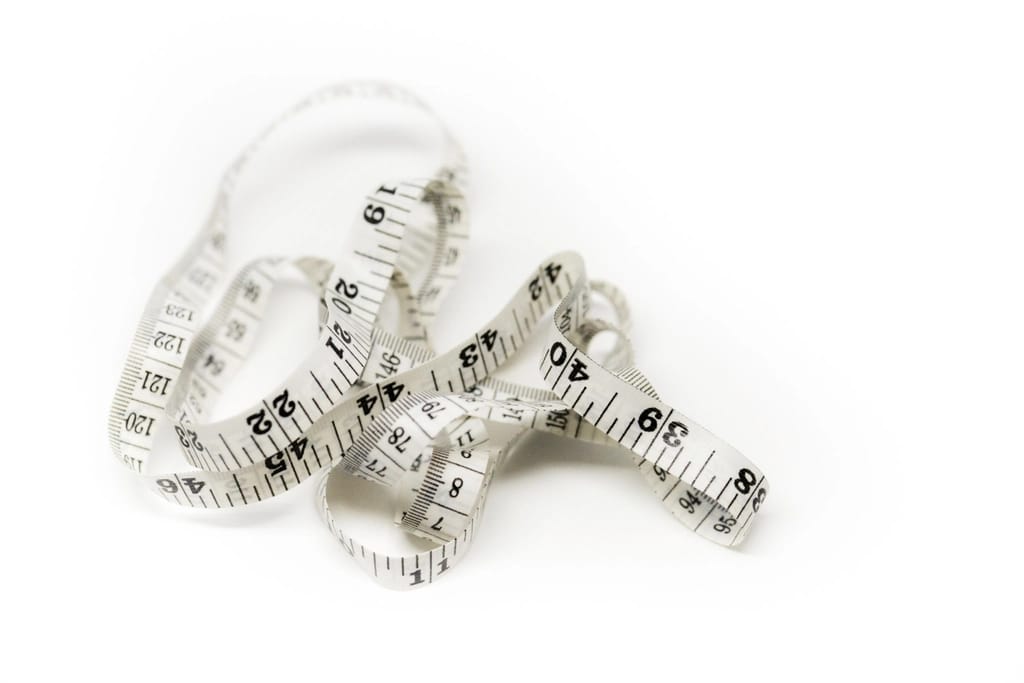
Every brand's toe box, volume and sizing behavior in one table, with a source per row and a last-verified date.
By Brijon M. · Updated October 2026
Top pick: Xero Shoes Prio
Lems vs Xero
Lems vs Xero Shoes
Xero publishes the numbers, Lems builds the wider last. Which of those you actually need, with the specs side by side.
By Brijon M. · Updated October 2026
Top pick: Lems Primal Zen