Do barefoot shoes help with balance?
Two plausible mechanisms, one awkward catch, and a different answer depending on your fall risk.
By Brijon M. · Updated October 2026
Probably yes over time, through two mechanisms: more sensory information from the ground, and stronger intrinsic foot muscles. The catch is that an unadapted foot in a very thin sole often feels less stable for the first few weeks, which matters a great deal if a fall would be a serious event for you.
How this page is funded: some links here are Amazon affiliate links, so we may earn a commission if you buy — at no extra cost to you. It never changes which products we include or how we rank them, and we take no payment from brands for placement. Full disclosure.
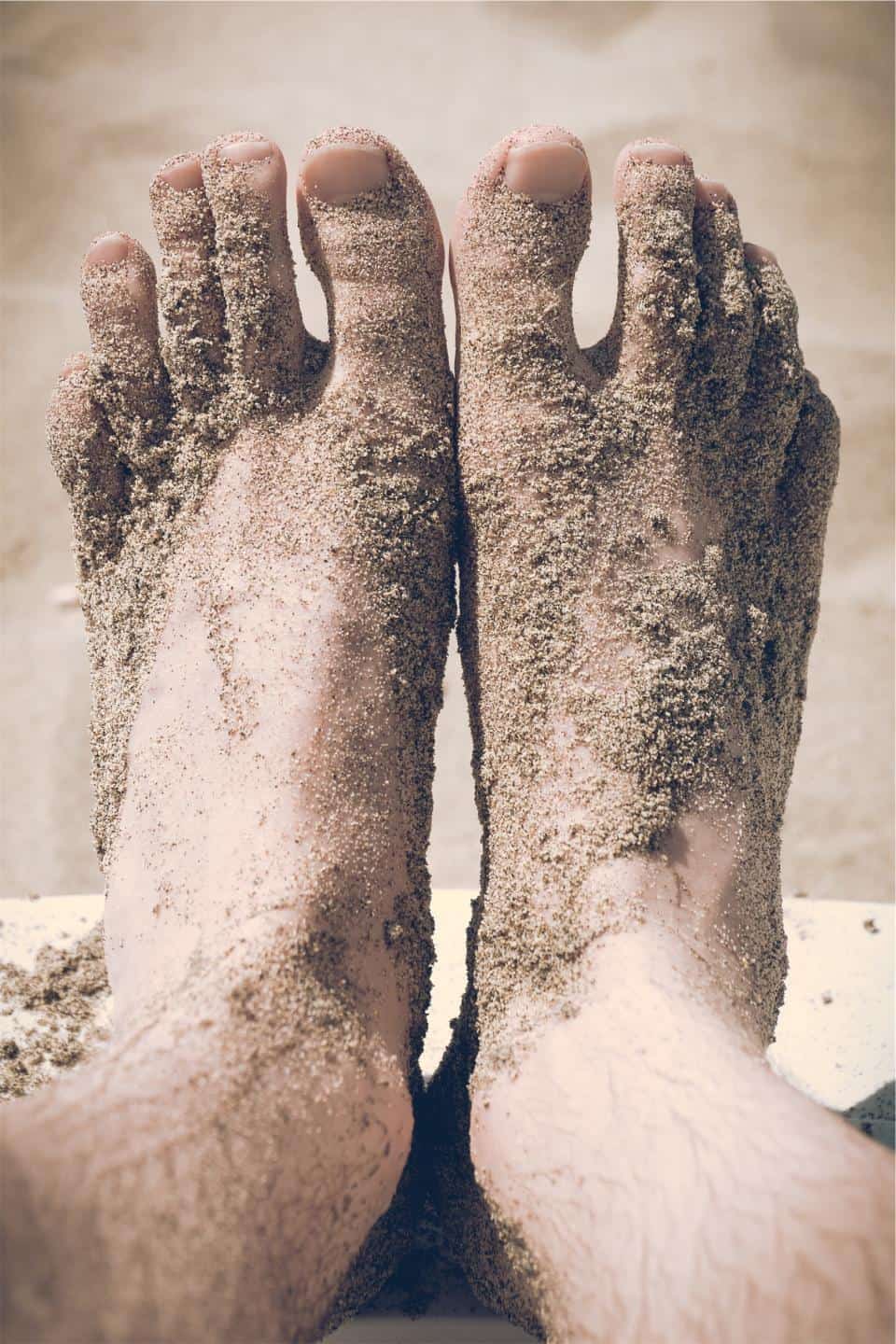
Probably, over months, through two mechanisms that are both reasonable. And in the first few weeks, quite possibly the opposite — which is the part that gets left out, and the part that matters most if you are reading this because of a fall rather than out of curiosity.
Mechanism one: your foot is an instrument
The sole of the foot is densely supplied with nerve endings, and balance depends heavily on what those nerves report — where your weight is, which way the ground slopes, whether the surface is about to give. A thick, cushioned, stiff sole sits between that instrument and the ground and attenuates the signal. A thin, flexible sole does not.
This is the most intuitively convincing part of the argument and it is easy to test for free: stand on one leg in cushioned trainers, then do it barefoot. Most people are steadier barefoot, and they are steadier because they can feel what their foot is doing.
Mechanism two: the muscles that hold you up
The intrinsic foot muscles — the small ones inside the foot itself rather than the ones that cross the ankle — control the arch and make the constant small corrections that keep you upright. A review of the effects of minimalist shoes on plantar intrinsic foot muscle size and strength found encouraging results for thin, flexible footwear.
Stronger muscles making those corrections is a plausible route to better balance. It is also slow: this is a months-long effect, not a weeks-long one, and it is the mechanism most likely to be oversold to you. Do barefoot shoes strengthen feet goes through what that evidence does and does not establish.
The catch, which is the important part
Everything above describes an adapted foot. An unadapted foot in a 4 mm sole is a different situation: it is receiving far more sensory information than it is used to interpreting, while the muscles being asked to act on that information have been largely idle for years. The common experience is feeling wobbly rather than steadier, for weeks.
For a healthy thirty-year-old that is a mildly interesting phase to pass through. If a fall would mean a fracture and a hospital stay, it is not a phase to pass through casually — it is the main risk of the entire exercise, and it argues for a genuinely different approach rather than a slightly slower one.
What to look for if balance is your reason
If sensory feedback is specifically what you are after, the properties that matter are thin and flexible — not wide, not light, not zero drop, although a good minimal shoe gives you all of those anyway. A thick sole in a wide toe box does nothing for the mechanism this page describes.
Start indoors, barefoot, before you buy anything. Ten minutes a day of standing on one leg and walking around your own house on a surface you know is free, carries no risk, and will tell you within a fortnight whether more ground feel is something your feet enjoy or something they find alarming. Foot strengthening exercises covers the useful version of that.
Then, if you want to take it further, these are the shoes that deliver the most sensory information — with the warning that the first two are at the thin end of the category and are end states rather than starting points.
The picks in detail
Three picks ranked by how much ground information each passes through, from a toe-pocket shoe used for foot-strength work to a forgiving all-rounder.
Vibram FiveFingers KSO EVO
The gym and foot-strengthening pick: individual toe pouches, minimal cushioning, and nothing between you and the floor during a lift.
What works
- A stable, flat platform for squats and deadlifts
- Lets each toe grip, which is the whole point for balance work
- Machine washable
What does not
- Not a running shoe for most people
- Toe-pocket fit takes two or three attempts to get right
Skip these if: You want one shoe you can also wear to the shops. These are specialist equipment.
Specifications as published by the maker and reported by Outdoor Life, best barefoot shoes 2026. We have not measured them ourselves. Vibram FiveFingers fit profile
Vivobarefoot Primus Lite III
A 2 mm sole with 2 mm of tread at 7.9 oz. About as close to barefoot as a closed shoe gets, and the yardstick everything else is measured against.
What works
- The thinnest sole here that still works as an everyday shoe
- Genuinely wide forefoot with a rounded, foot-shaped last
- Ships with access to the brand's own barefoot fundamentals course
What does not
- 4 mm total underfoot is brutal on concrete until your feet adapt
- Low volume through the midfoot - not for a high instep
- The most expensive shoe in most of our roundups
Skip these if: You are transitioning, you have a high-volume foot, or you stand on concrete all day. All three are real reasons to start thicker.
Specifications as published by the maker and reported by Outdoor Life, best barefoot shoes 2026 stated specifications. We have not measured them ourselves. Vivobarefoot fit profile
Xero Shoes Prio
The closest thing to a default first barefoot shoe: genuinely wide, genuinely flexible, and cheap enough that a failed experiment does not hurt.
What works
- Removable 2 mm insole, so you can go thinner as your feet adapt
- Wide enough for most square and plateau foot shapes
- Flexes and rolls flat, which is the quickest way to spot a fake minimalist shoe
What does not
- The lacing panel can pressure a high instep
- Thin heel padding is noticeable on hard floors for the first week
Skip these if: You have a high-volume foot and dislike lace pressure across the top, or you need any cushioning at all on day one.
Specifications as published by the maker and reported by Xero Shoes Prio listing specifications. We have not measured them ourselves. Xero Shoes fit profile
Before you order: fit and transition
Two things matter more than which shoe on this page you pick, and both are free.
Get the size right. Barefoot brands size from internal length rather than from a conventional size label, and you need roughly 10 to 15 mm beyond your longest toe — more than a normal fitting leaves. Measure your feet, then use the sizing guide and the cross-brand table. Sizing up to get a wider shoe does not work: lasts scale in length, so you get heel slip and toes sitting behind the widest part of the shoe.
Build up slowly. The documented risk in this category is bone stress injury from a rushed transition — in one MRI study of 36 runners, 10 of the 19 who spent 10 weeks moving into minimal shoes developed new bone-marrow edema, mostly without symptoms. Keep your current shoes, add minimal-shoe hours gradually, and judge by how your feet feel the next morning. The transition plan.
For balance specifically, add one rule: do your early minimal-shoe hours on surfaces you know, in daylight, and not while carrying anything. The point of the first few weeks is to let your feet learn to interpret a new amount of information, and unfamiliar ground is the worst place to do that.
Common questions
Do barefoot shoes improve balance?
Probably, over months, through more sensory feedback from the ground and stronger intrinsic foot muscles. Both mechanisms are reasonable, and the effect is on steadiness rather than on any claim about preventing falls.
Can barefoot shoes make balance worse?
Temporarily, yes. An unadapted foot gets far more sensory information than it is used to interpreting while the relevant muscles are still weak, and feeling wobbly for the first few weeks is a common experience.
Are barefoot shoes good for balance in older adults?
The mechanism applies, but the first-weeks wobble is a much bigger problem if a fall would be a serious event. Start at 11 to 14 mm of stack rather than 4 mm, halve the usual pace, and start indoors on a surface you know.
Do barefoot shoes help proprioception?
That is essentially the first mechanism on this page — a thinner sole passes more information from a densely innervated foot sole. It is the most intuitively convincing part of the argument and you can test it barefoot for free.
What is the best shoe for ground feel and balance?
Among our picks, the Vibram KSO EVO and the Vivobarefoot Primus Lite III pass the most information through. Both are at the thin end of the category and are end states rather than first purchases.
Should I try this barefoot at home first?
Yes, and it is the best advice on this page. Ten minutes a day on a familiar surface is free, carries no risk, and tells you within a fortnight whether more ground feel suits your feet.
Sources
- Outdoor Life, best barefoot shoes 2026 — stated stack heights and weights
- RunRepeat barefoot running shoes catalog
- Ridge et al., foot bone marrow edema after 10-week transition to minimal footwear
- Effects of Minimalist Shoes on Plantar Intrinsic Foot Muscle Size and Strength: A Review
- Epidemiology of Shoe Wearing Patterns Over Time in Older Women: Associations With Foot Pain and Hallux Valgus
- Footwear Toe-Box Shape and Medial Forefoot Pressures in Women With Hallux Valgus
Accessed October 2026. Where a source is a manufacturer, the specification is theirs as published — we have not measured it.
Read next
Do barefoot shoes strengthen your feet?
Yes — ultrasound studies measured 7-11% muscle size gains and 9-57% strength gains. What that means and how to get it safely.
By Brijon M. · Updated October 2026
Top pick: Vibram FiveFingers KSO EVO
Best for Seniors
The best barefoot shoes for seniors (October 2026)
Five picks for toe room, easy entry and a forgiving stack height, with the balance and fall-risk caveat stated first.
By Brijon M. · Updated October 2026
Top pick: Xero Shoes Scrambler Low
Best With Neuropathy
Barefoot shoes and neuropathy (October 2026)
Thin soles trade protection for feedback you may not be able to use. The trade-off explained, and a clinician-first recommendation.
By Brijon M. · Updated October 2026
Top pick: Xero Shoes Scrambler Low

Foot strengthening exercises for the transition
Six exercises, fifteen minutes, three times a week — building the capacity minimal shoes demand without the loading risk.
By Brijon M. · Updated October 2026
Top pick: Correct Toes Toe Spacers
Barefoot shoe benefits — and the drawbacks
Benefits sorted by evidence quality, oversold claims named as such, and the drawbacks given equal space.
By Brijon M. · Updated October 2026
Top pick: Xero Shoes Prio
Do barefoot shoes help with knee pain?
A plausible load-redistribution mechanism and genuinely thin evidence. What moves at the knee, and what nobody can promise.
By Brijon M. · Updated October 2026
Top pick: Xero Shoes Scrambler Low