How to stop barefoot shoes smelling
Bacteria need moisture, warmth and darkness. Take away the moisture and the problem mostly disappears.
By Brijon M. · Updated October 2026
Barefoot shoes smell because they are thin, often worn without socks, and rarely dry fully between wearings - odor comes from bacteria feeding on sweat, so the fix is drying rather than washing. Pull the insoles out after every wear, rotate two pairs, and wear thin socks in the shoes you wear most.
How this page is funded: some links here are Amazon affiliate links, so we may earn a commission if you buy — at no extra cost to you. It never changes which products we include or how we rank them, and we take no payment from brands for placement. Full disclosure.
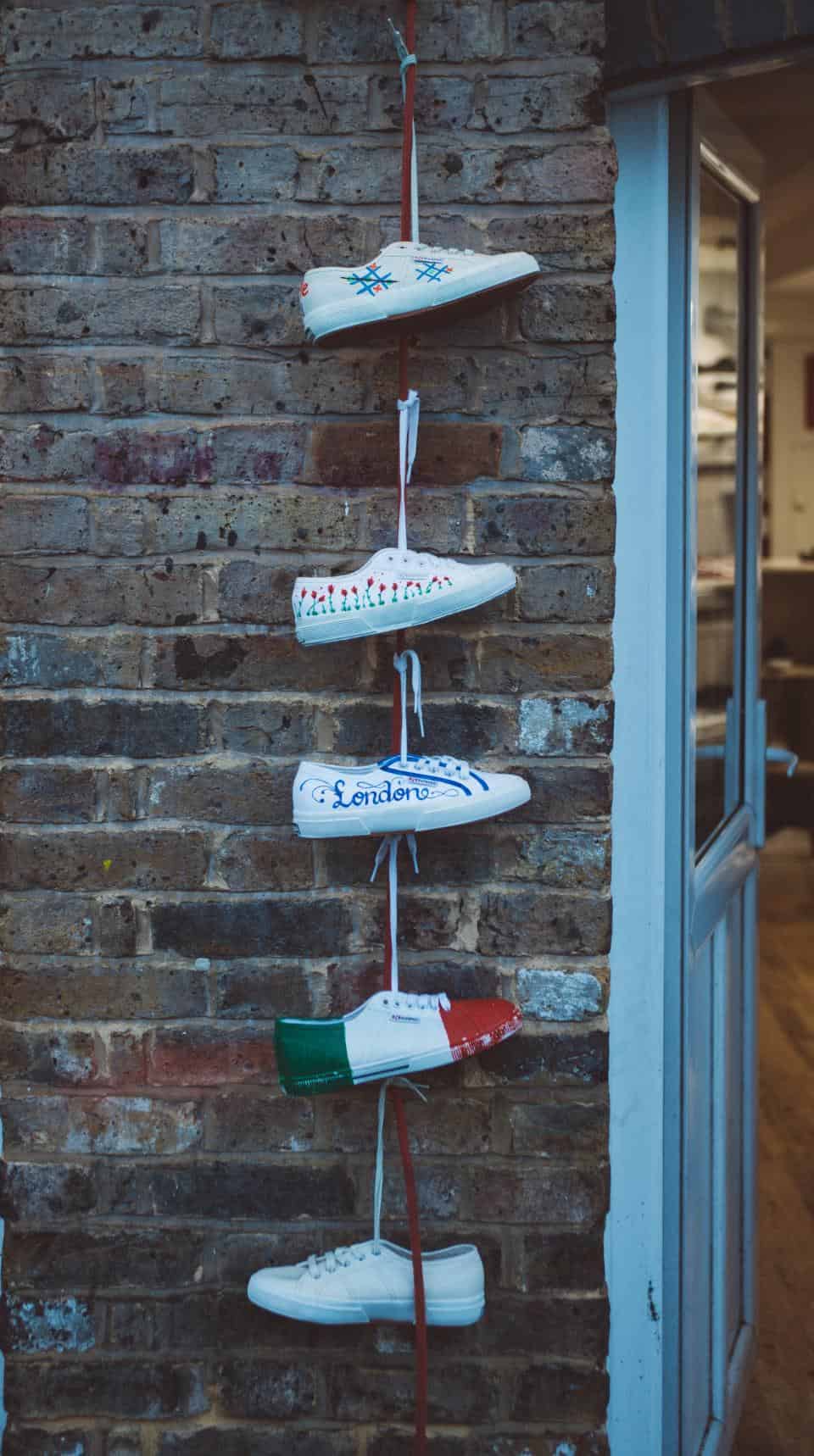
If your barefoot shoes smell worse than your old trainers did, nothing has gone wrong with the shoes. Three things about this category make odor more likely, and all three are consequences of properties you bought on purpose.
The useful insight is that smell is a moisture problem, not a dirt problem. The odor comes from bacteria metabolising the sweat in the materials, and bacteria need moisture, warmth and darkness. Remove the moisture between wearings and you remove most of the problem — which is why the first three fixes below cost nothing.
Why these shoes specifically
- They are thin. There is very little material between your foot and the outsole, so sweat saturates what little there is and sits against a non-breathable rubber layer.
- They are often worn without socks. A sockless foot puts all of its sweat directly into the shoe rather than into something you can wash. Barefoot shoes attract that habit more than any other footwear.
- They dry slowly if you never open them up. A knit upper and a thin foam insole hold water, and a shoe left by the door with the insole in and the laces tight stays damp for a surprisingly long time.
None of that is a design flaw. It does mean the care routine has to be slightly different from the one you used on cushioned trainers, where a thick midsole kept the moisture further from your nose.
The fixes, in the order to try them
Socks, since this is where the argument is
There is a strong sockless culture in this category, and we are not going to tell you it is wrong — bare feet in a wide shoe feel good, and that is a legitimate reason to do anything. But sockless wear is the main mechanical cause of the problem this page exists to solve, and a thin, well-fitting sock costs you very little of the sensation while moving all of the sweat into something washable.
The compromise most people land on: socks in the pair you wear for long days or exercise, bare feet in the pair you wear around the house and for short trips. Do you wear socks with barefoot shoes covers the sock question in full, including toe socks and why a tight conventional sock undoes the toe room you paid for.
What about sprays, powders and freezing
Antibacterial and deodorising sprays work on the bacterial load and do nothing about the moisture, so they are a holding measure between proper dryings rather than a solution. Baking soda in a dry shoe overnight absorbs some moisture and odor and is harmless — tip it out before you wear them. Cedar inserts do the same job and look nicer.
Freezing a shoe is a popular internet remedy and it is the weakest one here: cold suppresses bacterial activity for a while and does not remove the moisture they live in, so the smell returns as the shoe warms up. Spend the same effort on drying instead.
When it is not the shoe
If one foot smells markedly worse than the other, if the skin between your toes is white, flaking or itchy, or if the problem persists in freshly washed shoes with clean socks, that is a skin question rather than a footwear question — fungal infections are common, treatable, and will keep recolonising the shoe until they are dealt with. We hold no clinical qualification, so see a pharmacist or a doctor rather than buying more shoes.
If you have diabetes or reduced sensation in your feet, any persistent skin change deserves prompt attention regardless of how minor it looks. The neuropathy roundup explains why that caution comes before footwear advice on this site.
Before you order: fit and transition
Two things matter more than which shoe on this page you pick, and both are free.
Get the size right. Barefoot brands size from internal length rather than from a conventional size label, and you need roughly 10 to 15 mm beyond your longest toe — more than a normal fitting leaves. Measure your feet, then use the sizing guide and the cross-brand table. Sizing up to get a wider shoe does not work: lasts scale in length, so you get heel slip and toes sitting behind the widest part of the shoe.
Build up slowly. The documented risk in this category is bone stress injury from a rushed transition — in one MRI study of 36 runners, 10 of the 19 who spent 10 weeks moving into minimal shoes developed new bone-marrow edema, mostly without symptoms. Keep your current shoes, add minimal-shoe hours gradually, and judge by how your feet feel the next morning. The transition plan.
Odor-specific: a shoe that is slightly too tight sweats more, because your foot is working against the upper and has less air around it. If one pair smells far worse than the rest, check the fit before you blame the material.
The picks in detail
Three shoes that make this easier: a sandal with nothing to hold moisture, a washable stretch knit, and a mesh lace-up that opens right out to dry.
Xero Shoes Z-Trail EV
An 11 mm three-layer sole at under 11 oz that rolls up into a jacket pocket - the most practical barefoot sandal for people who are not sandal people.
What works
- Rolls up small enough to pack as a camp or travel second shoe
- The strap system adjusts in three places, which solves most volume problems
- Lightest practical choice for water and heat
What does not
- Strap break-in can rub the top of the foot
- Less grip on wet rock than a Vibram-soled sandal
Skip these if: You need technical traction for river crossings or scrambling - a Vibram Megagrip sandal is the better buy.
Specifications as published by the maker and reported by Greenbelly, best minimalist and running sandals specifications. We have not measured them ourselves. Xero Shoes fit profile
Saguaro Chaser (Smart II / Vitality III)
The roomiest of the budget marketplace brands - more space around the ankle and over the toes than WHITIN, which is the difference that matters if you have a thick foot.
What works
- More instep volume than WHITIN at the same price
- Whole-family sizing, including kids
- Very minimal sole for the money
What does not
- Thin, cheap outsole wears quickly on pavement
- Model naming changes between generations, so repeat purchases are a lottery
Skip these if: You have a low-volume or narrow foot - this will feel like a slipper.
Specifications as published by the maker and reported by Anya's Reviews, Saguaro barefoot shoes review. We have not measured them ourselves. Saguaro fit profile
Xero Shoes Prio
The closest thing to a default first barefoot shoe: genuinely wide, genuinely flexible, and cheap enough that a failed experiment does not hurt.
What works
- Removable 2 mm insole, so you can go thinner as your feet adapt
- Wide enough for most square and plateau foot shapes
- Flexes and rolls flat, which is the quickest way to spot a fake minimalist shoe
What does not
- The lacing panel can pressure a high instep
- Thin heel padding is noticeable on hard floors for the first week
Skip these if: You have a high-volume foot and dislike lace pressure across the top, or you need any cushioning at all on day one.
Specifications as published by the maker and reported by Xero Shoes Prio listing specifications. We have not measured them ourselves. Xero Shoes fit profile
Common questions
Why do my barefoot shoes smell so bad?
Because they are thin, usually worn without socks, and rarely dry fully between wearings. Odor comes from bacteria feeding on the sweat held in the insole and upper, and all three of those factors keep the material damp.
How do I stop barefoot shoes from smelling?
Pull the insoles out after every wear, rotate two pairs so each gets 24 hours to dry, loosen the laces and open the shoe out, and wear thin socks in the pair you wear most. Those four habits solve it for most people without any washing.
Does washing them fix the smell?
It resets the bacterial load, so it helps for a few weeks. If the drying habits do not change, the smell comes back - which is why washing is the fifth fix on our list rather than the first.
Do you have to wear socks with barefoot shoes?
No, and sockless wear is the main reason they smell. A thin, well-fitting sock moves the sweat into something washable while keeping most of the ground feel. Many people wear socks for long days and go bare for short ones.
Does freezing shoes get rid of the smell?
Barely. Cold suppresses bacterial activity temporarily without removing the moisture the bacteria live in, so the smell returns as the shoe warms. The same effort spent on drying works far better.
When is foot odor a medical problem?
If one foot is much worse than the other, if the skin between your toes is flaking, white or itchy, or if clean shoes and clean socks still smell, see a pharmacist or doctor - a fungal infection will keep recolonising your shoes until it is treated.
Sources
- Outdoor Life, best barefoot shoes 2026 — stated stack heights and weights
- RunRepeat barefoot running shoes catalog
- Ridge et al., foot bone marrow edema after 10-week transition to minimal footwear
Accessed October 2026. Where a source is a manufacturer, the specification is theirs as published — we have not measured it.
Read next
How to clean barefoot shoes
Insoles out, cool water, no heat anywhere. The seven-step method, the washing-machine answer and how to dry them.
By Brijon M. · Updated October 2026
Top pick: Saguaro Chaser (Smart II / Vitality III)
Do you wear socks with barefoot shoes?
Yes, and the sock is part of the fit: how thickness changes a thin shoe, when sockless works, and what toe socks are for.
By Brijon M. · Updated October 2026
Top pick: Xero Shoes Prio
Insoles for barefoot shoes
The stock insole is there to be removed, not supplemented. Warmth, replacement and a transition step are the three real exceptions.
By Brijon M. · Updated October 2026
Top pick: Xero Shoes Prio
Best Sandals
Best barefoot sandals (October 2026)
Six sandals from 7 mm to 14 mm, compared on sole, weight, traction and straps — plus the toe-post question.
By Brijon M. · Updated October 2026
Top pick: Xero Shoes Z-Trail EV
The most durable barefoot shoes
Thin soles wear faster. Why resolable is the only real long-term answer, and six things that extend any pair's life.
By Brijon M. · Updated October 2026
Top pick: Softstar Megagrip Primal RunAmoc
#ad — brand-direct link, we earn nothing on it. Why we still list it
Best With Neuropathy
Barefoot shoes and neuropathy (October 2026)
Thin soles trade protection for feedback you may not be able to use. The trade-off explained, and a clinician-first recommendation.
By Brijon M. · Updated October 2026
Top pick: Xero Shoes Scrambler Low