Best for Neuroma
The best barefoot shoes for Morton's neuroma
A neuroma is compression between the metatarsal heads. Width is the lever a shoe has; cushioning is not.
By Brijon M. · Updated October 2026
The Lems Primal Zen is the best pick for Morton's neuroma here, because it is the widest forefoot in the set and forefoot width is the one variable footwear actually controls. Go gently: a thin, flexible sole increases forefoot load at first, which can aggravate a neuroma before width relieves it.
How this page is funded: some links here are Amazon affiliate links, so we may earn a commission if you buy — at no extra cost to you. It never changes which products we include or how we rank them, and we take no payment from brands for placement. Full disclosure.
Quick picks
Tap any row to jump to the full write-up. Selection is specification-led, not wear-tested — how we choose.
| # | Product | Best for | Price |
|---|---|---|---|
| 1 |  Best overallLems Primal ZenLems builds one of the roomiest everyday lasts in the category - if other barefoot shoes still feel tight across the toes, start here. | The widest forefoot here | |
| 2 | 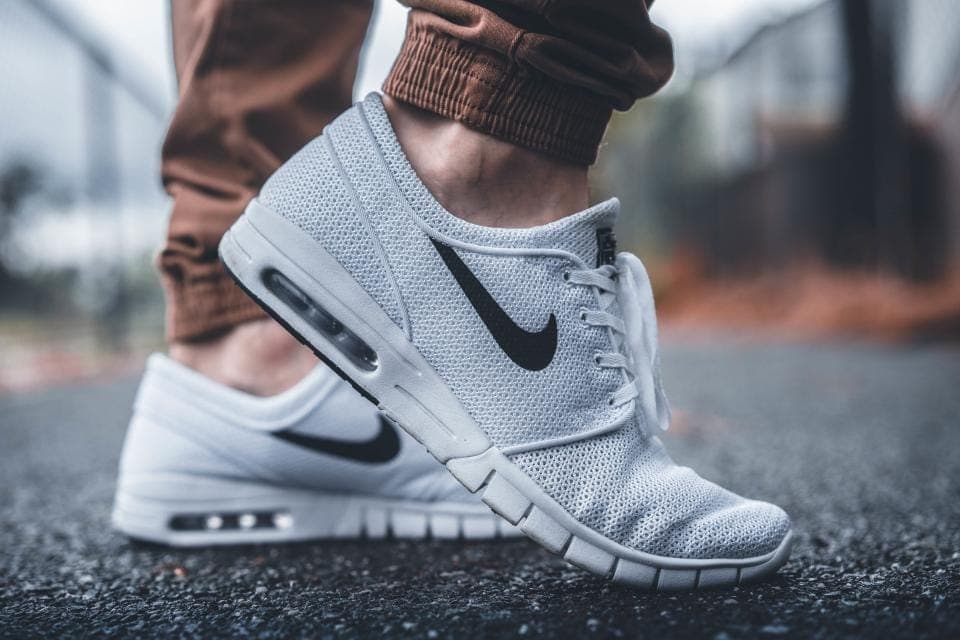 Best first pairXero Shoes PrioThe closest thing to a default first barefoot shoe: genuinely wide, genuinely flexible, and cheap enough that a failed experiment does not hurt. | Wide, and a removable insole to go slowly | |
| 3 | 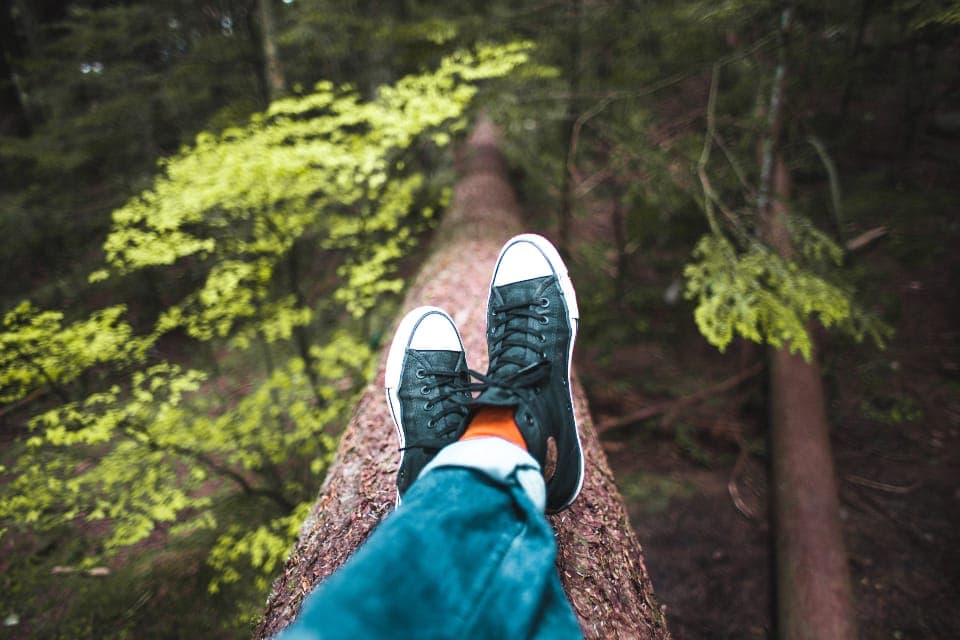 Most cushionedAltra Lone Peak 9Zero drop with 25 mm of cushioning underneath. Not a barefoot shoe and not pretending to be - it is the zero-drop shoe you hike 2,000 miles in. | Wide toes without losing all the foam | |
| 4 | 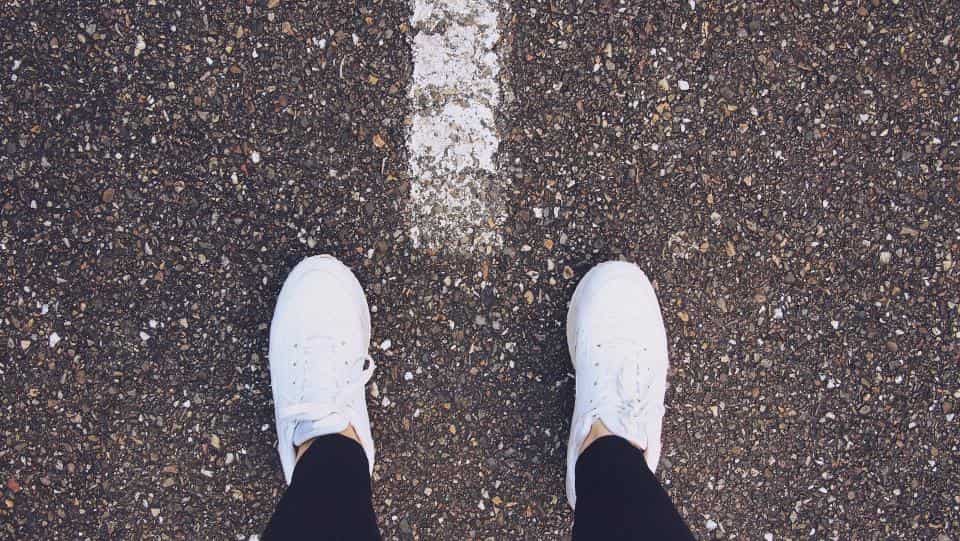 ThinnestVivobarefoot Primus Lite IIIA 2 mm sole with 2 mm of tread at 7.9 oz. About as close to barefoot as a closed shoe gets, and the yardstick everything else is measured against. | Already adapted, want maximum splay | |
| 5 |  Best add-onCorrect Toes Toe SpacersMedical-grade silicone spacers designed by a podiatrist to be worn inside shoes - which is the whole difference from the gel spacers sold for pedicures. | Holding the metatarsals apart inside the shoe |
#ad Prices come from the retailer and change; we never publish a figure we have not verified live. Affiliate disclosure.
Morton's neuroma is a thickened nerve between the metatarsal heads, most often between the third and fourth. The symptom people describe is burning or a pebble-under-the-ball sensation, and the mechanical story behind it is compression — the metatarsal heads squeezing the nerve between them.
That is why footwear is relevant at all, and it is also why the relevant variable is narrower than people expect. A shoe can change how much room the metatarsals have to sit apart. It cannot change the nerve.
What to look for, in order
Forefoot width first, and specifically width at the ball of the foot rather than at the toes. Plenty of shoes flare at the toe box and stay narrow across the metatarsal heads, which is exactly the wrong shape here. The widest lasts in this category — Lems and Freet — are wide at the ball as well as the tip.
Toe-box height second. A low toe box presses down across the forefoot and reduces the space the metatarsals have to spread, even in a shoe that measures wide. The Lems Primal Zen is unusually tall as well as wide, which is most of why it leads this page.
Stack height third, and not in the direction you would guess. A thin, flexible sole asks the forefoot to do more work on every step. That is the point of the category and it is also a reason to arrive at it gradually when a nerve in the forefoot is already irritated. Starting at 11 mm and working down is not a compromise; it is the sensible order.
Nothing under the ball of the foot. Avoid metatarsal pads, raised footbeds and contoured insoles unless a clinician has prescribed one for you specifically. Several have the effect of pushing up between the metatarsal heads, which is the pressure you came here to reduce.
How we chose
The criteria, applied in this order:
- Width at the ball of the foot, not just at the toe tip — the distinction that actually matters for metatarsal compression.
- Toe-box height, because downward pressure reduces splay as effectively as a narrow last does.
- A flat, uncontoured footbed, or a removable one, so nothing is pushing up between the metatarsal heads.
- A stack height you can start at, including one deliberately cushioned pick, since arriving here from a rushed transition is its own problem.
- Currently sold in the US, verified at build time.
- No outcome claims. We have selected on shape and pressure mechanics, which is what the evidence supports, and nothing beyond that.
Why a thin shoe can make it worse before it helps
This is the part most roundups skip, and for a neuroma it is the most important thing on the page. Removing cushioning and heel lift shifts load forward and asks the forefoot to absorb and push through a longer range on every step. For an already-irritated nerve between the metatarsal heads, that can be the wrong stimulus delivered at the wrong time, even though the wide toe box is the right environment.
The documented risk of a rushed transition in this category is bone stress injury — in an MRI study of 36 runners, 10 of the 19 who spent 10 weeks moving into minimal footwear developed new bone-marrow edema, most of them without symptoms. That is a different injury from a neuroma, and it is the clearest available evidence that forefoot tissue does not tolerate a fast change in load.
The practical version: buy the width now and the thinness later. Wear the wide shoe for an hour a day; keep your current shoes; judge by how the forefoot feels the next morning rather than during the walk. The full transition plan, and the mistakes that cause most of the trouble.
Where toe spacers fit
A neuroma is a spacing problem, and toe spacers are the one accessory that addresses spacing directly. Correct Toes are designed to be worn inside a shoe rather than only at rest, which is the whole difference from the gel spacers sold for pedicures. The catch is structural: they only work in a shoe that already has room for them, which means a wide barefoot shoe, which means they are an addition to the decision on this page rather than an alternative to it.
Start with short sessions. How to use them without overdoing it.
Before you order: fit and transition
Two things matter more than which shoe on this page you pick, and both are free.
Get the size right. Barefoot brands size from internal length rather than from a conventional size label, and you need roughly 10 to 15 mm beyond your longest toe — more than a normal fitting leaves. Measure your feet, then use the sizing guide and the cross-brand table. Sizing up to get a wider shoe does not work: lasts scale in length, so you get heel slip and toes sitting behind the widest part of the shoe.
Build up slowly. The documented risk in this category is bone stress injury from a rushed transition — in one MRI study of 36 runners, 10 of the 19 who spent 10 weeks moving into minimal shoes developed new bone-marrow edema, mostly without symptoms. Keep your current shoes, add minimal-shoe hours gradually, and judge by how your feet feel the next morning. The transition plan.
Neuroma-specific: fit the shoe in the afternoon, when your forefoot is at its widest, and check that you can splay your toes fully while standing with weight on the foot. If you cannot, the shoe is too narrow whatever the label says.
The picks in detail
Five picks sorted on forefoot room rather than on cushioning, with published specs, honest cons and a 'skip these if' on every one.
1. Best overall
Lems Primal Zen
Lems builds one of the roomiest everyday lasts in the category - if other barefoot shoes still feel tight across the toes, start here.
What works
- Among the widest forefoot shapes available off the shelf
- High enough toe box for a tall big toe or a hammer toe
- Flexes flat and packs small
What does not
- The width that makes it work looks bulbous to some people
- Heel can be loose on a narrow heel
Skip these if: You have a narrow foot - all that room becomes heel slip and a sloppy fit.
Specifications as published by the maker and reported by Lems Shoes product listing, Primal Zen. We have not measured them ourselves. Lems Shoes fit profile
2. Best first pair
Xero Shoes Prio
The closest thing to a default first barefoot shoe: genuinely wide, genuinely flexible, and cheap enough that a failed experiment does not hurt.
What works
- Removable 2 mm insole, so you can go thinner as your feet adapt
- Wide enough for most square and plateau foot shapes
- Flexes and rolls flat, which is the quickest way to spot a fake minimalist shoe
What does not
- The lacing panel can pressure a high instep
- Thin heel padding is noticeable on hard floors for the first week
Skip these if: You have a high-volume foot and dislike lace pressure across the top, or you need any cushioning at all on day one.
Specifications as published by the maker and reported by Xero Shoes Prio listing specifications. We have not measured them ourselves. Xero Shoes fit profile
3. Most cushioned
Altra Lone Peak 9
Zero drop with 25 mm of cushioning underneath. Not a barefoot shoe and not pretending to be - it is the zero-drop shoe you hike 2,000 miles in.
What works
- Zero drop with real cushioning - the combination almost nobody else offers
- The de facto standard on long-distance hiking trails
- Genuinely wide forefoot in standard width
What does not
- 25 mm of foam means essentially no ground feel
- Outsoles are known to wear out faster than the uppers
Skip these if: You want ground feel or foot strengthening. This shoe gives you neither - it gives you zero drop and comfort.
Specifications as published by the maker and reported by BikeHikeSafari, best barefoot shoes 2026 stated specifications. We have not measured them ourselves. Altra fit profile
4. Thinnest
Vivobarefoot Primus Lite III
A 2 mm sole with 2 mm of tread at 7.9 oz. About as close to barefoot as a closed shoe gets, and the yardstick everything else is measured against.
What works
- The thinnest sole here that still works as an everyday shoe
- Genuinely wide forefoot with a rounded, foot-shaped last
- Ships with access to the brand's own barefoot fundamentals course
What does not
- 4 mm total underfoot is brutal on concrete until your feet adapt
- Low volume through the midfoot - not for a high instep
- The most expensive shoe in most of our roundups
Skip these if: You are transitioning, you have a high-volume foot, or you stand on concrete all day. All three are real reasons to start thicker.
Specifications as published by the maker and reported by Outdoor Life, best barefoot shoes 2026 stated specifications. We have not measured them ourselves. Vivobarefoot fit profile
5. Best add-on
Correct Toes Toe Spacers
Medical-grade silicone spacers designed by a podiatrist to be worn inside shoes - which is the whole difference from the gel spacers sold for pedicures.
What works
- Designed to be worn inside a shoe, not just at rest
- Medical-grade silicone holds its shape through repeated washing
- Adjustable - the spacing posts can be trimmed
What does not
- They only work in a shoe with enough toe-box room, which means a barefoot shoe anyway
- Expensive next to generic silicone spacers
- Uncomfortable for the first few sessions
Skip these if: Your current shoes have a tapered toe box. Spacers plus a narrow shoe is worse than neither.
Specifications as published by the maker and reported by Correct Toes in-shoe toe spacers product page. We have not measured them ourselves. All brand fit profiles
Common questions
Are barefoot shoes good for Morton's neuroma?
The wide toe box is the right environment, because a neuroma is compression between the metatarsal heads and a tapered shoe worsens that. The thin, flexible sole is a separate variable that increases forefoot load, so arrive at it gradually rather than immediately.
What is the best barefoot shoe for Morton's neuroma?
The Lems Primal Zen, because it has the widest and tallest forefoot in this set and forefoot room is the one thing a shoe controls. If you are coming out of cushioned trainers, start with the Xero Shoes Prio and use its removable insole.
Can barefoot shoes make a neuroma worse?
They can, if you switch too fast. Removing cushioning and heel lift shifts load into the forefoot, and an already-irritated nerve may not tolerate that quickly even in a shoe that is the right shape. Build up in short sessions.
Should I use a metatarsal pad with barefoot shoes?
Not unless a clinician has prescribed one for you. Many pads and contoured footbeds push up between the metatarsal heads, which is the pressure you are trying to reduce. The barefoot approach is a flat footbed plus room to spread.
Do toe spacers help Morton's neuroma?
They address spacing directly, which is the relevant mechanism, and in-shoe spacers such as Correct Toes are designed for wear inside a shoe. They only work in a shoe with genuine toe-box room, and they need introducing in short sessions.
Sources
- Outdoor Life, best barefoot shoes 2026 — stated stack heights and weights
- RunRepeat barefoot running shoes catalog
- Ridge et al., foot bone marrow edema after 10-week transition to minimal footwear
- Footwear Toe-Box Shape and Medial Forefoot Pressures in Women With Hallux Valgus
- Effects of Minimalist Shoes on Plantar Intrinsic Foot Muscle Size and Strength: A Review
Accessed October 2026. Where a source is a manufacturer, the specification is theirs as published — we have not measured it.
Read next
Best for Bunions
Best barefoot shoes for bunions (October 2026)
A wide, tall toe box stops the shoe pressing on the joint. Whether it does more is genuinely unsettled, and we say so.
By Brijon M. · Updated October 2026
Top pick: Lems Primal Zen
Best With Neuropathy
Barefoot shoes and neuropathy (October 2026)
Thin soles trade protection for feedback you may not be able to use. The trade-off explained, and a clinician-first recommendation.
By Brijon M. · Updated October 2026
Top pick: Xero Shoes Scrambler Low
Best for Wide Feet
Best barefoot shoes for wide feet (October 2026)
Seven wide lasts across everyday, trail, work and budget — and why sizing up gains you length, not width.
By Brijon M. · Updated October 2026
Top pick: Lems Primal Zen
Toe spacers with barefoot shoes
In-shoe spacers need a shoe with real room. How to build tolerance, and the honest limits on what they can do.
By Brijon M. · Updated October 2026
Top pick: Correct Toes Toe Spacers

How to transition to barefoot shoes
A concrete 16-week plan with numbers, built around the MRI study that found bone-marrow edema in 10 of 19 transitioning runners.
By Brijon M. · Updated October 2026
Top pick: Xero Shoes Scrambler Low
How to choose barefoot shoes
Five decisions in order: measure, stack height by stage, width and volume, the three-part test, then brand.
By Brijon M. · Updated October 2026
Top pick: Xero Shoes Scrambler Low