Are barefoot shoes worth it?
Worth it for two specific things, not worth it for three others. The real cost is not the shoes.
By Brijon M. · Updated October 2026
Barefoot shoes are worth it if you want toe room and are willing to spend 8 to 16 weeks adapting — the toe-room benefit is immediate and the foot-strength evidence is encouraging. They are not worth it as a quick fix for existing pain, and the real cost is the transition time, not the $40 to $170 you spend on the shoes.
How this page is funded: some links here are Amazon affiliate links, so we may earn a commission if you buy — at no extra cost to you. It never changes which products we include or how we rank them, and we take no payment from brands for placement. Full disclosure.
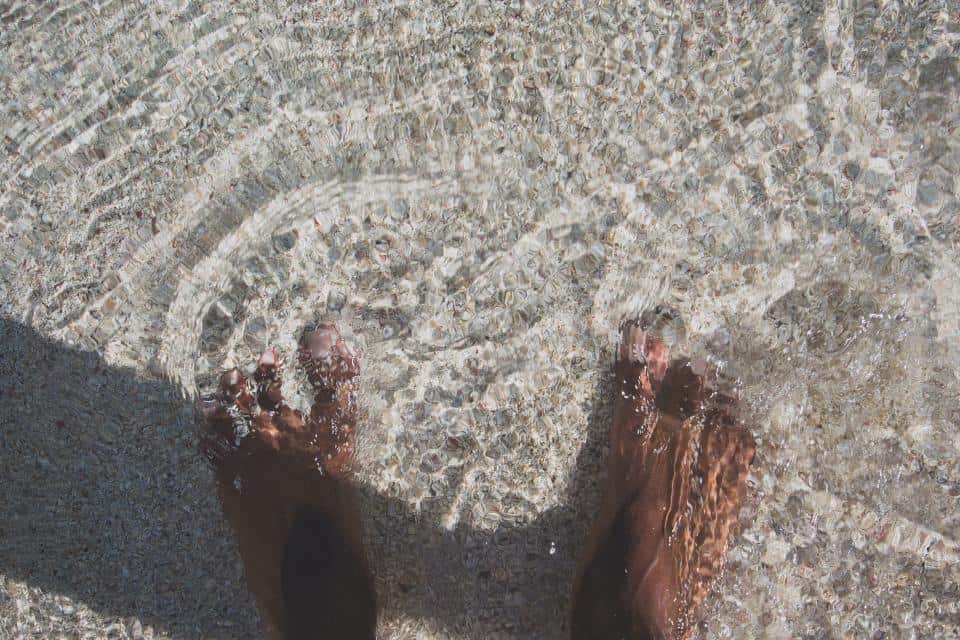
Worth it for toe room and, over months, foot strength — if you are willing to do the transition properly. Not worth it as a fast fix for pain you have now, not worth it if you want to keep your current walking or running volume from day one, and not worth it if a wide toe box is not something you want. The shoes cost $40 to $170. The real price is eight to sixteen weeks of patience, and that is the part worth deciding on before you spend anything.
What you are actually buying
Three things, in descending order of how reliably you get them.
Toe room, immediately. This is the one nobody disputes and the one most people are actually buying. A wide, foot-shaped toe box lets your toes sit where they are. If you have spent decades in tapered shoes, the first hour in a genuinely wide shoe is usually the moment the whole idea makes sense. There is also supporting research on shoe shape over a lifetime: a long-running study of shoe-wearing patterns in older women found associations between lifetime footwear and later foot pain and hallux valgus.
A flat platform, immediately. Zero drop changes the angle your foot sits at and where load enters the leg. Whether you notice this depends a lot on how much heel lift you are coming from.
Stronger feet, slowly. A review of minimalist footwear and plantar intrinsic foot muscle size and strength found encouraging results for thin, flexible shoes. This is a real effect and it is also the slowest to arrive, measured in months rather than weeks, and it is the benefit most often oversold.
What it actually costs
When they are not worth it
- You want a fix for pain you have right now. Changing footwear changes how load travels through your foot, which can help or make things worse depending on the cause. That is a podiatrist question, not a shopping question.
- You will not change your volume. If you intend to keep running your current mileage from week one, the risk is real and documented, and the shoes are not worth it on those terms.
- You stand still on concrete all day. This is the one job the category genuinely does badly, and no amount of adaptation fully solves it. More on standing all day.
- You do not want wide shoes. The toe box is the main benefit and it is also the main aesthetic objection. If you dislike how they look, you have ruled out the primary reason to own them.
- You have diabetes, neuropathy or reduced sensation in your feet. Reduced sensation means you cannot feel the early warnings. Speak to a clinician first.
What to look for if you decide to try
The goal of a first purchase is not to own the best barefoot shoe. It is to find out cheaply whether the category suits you, which means three things matter and nothing else does.
- A genuinely wide toe box, because that is the benefit you are testing. A thin sole in a tapered shoe tests nothing.
- Enough stack to be survivable — 7 mm or more, and 11 mm if you are nervous. The thinnest shoe in the category is the worst possible first purchase.
- A price you would not mind writing off, and a returns policy. A shoe you cannot send back is a worse first purchase than a slightly lesser one you can.
Notice what is not on that list: brand, materials, how it looks, ground feel. Those are second-pair concerns. How to choose barefoot shoes goes through the full decision if you have already decided you are in.
The picks in detail
Three shoes that answer the question cheaply. All are genuinely wide, all are zero drop, and none of them cost enough to make being wrong a problem.
Saguaro Chaser (Smart II / Vitality III)
The roomiest of the budget marketplace brands - more space around the ankle and over the toes than WHITIN, which is the difference that matters if you have a thick foot.
What works
- More instep volume than WHITIN at the same price
- Whole-family sizing, including kids
- Very minimal sole for the money
What does not
- Thin, cheap outsole wears quickly on pavement
- Model naming changes between generations, so repeat purchases are a lottery
Skip these if: You have a low-volume or narrow foot - this will feel like a slipper.
Specifications as published by the maker and reported by Anya's Reviews, Saguaro barefoot shoes review. We have not measured them ourselves. Saguaro fit profile
WHITIN Minimalist Trail Runner
A zero-drop, wide-toe-box knit shoe at roughly a third of what the established brands charge - and the cheapest honest way to find out if this suits you.
What works
- The lowest-risk way to test barefoot shoes at all
- Removable sockliner, so you can thin it out over time
- Wide toe box that genuinely is wide
What does not
- Low volume through the instep compared with Saguaro
- Build quality is what the price suggests - it will not last years
- Sizing is inconsistent between colorways
Skip these if: You have a high instep or a high-volume foot - WHITIN runs low and you will feel the laces.
Specifications as published by the maker and reported by That Fit Friend, WHITIN Minimalist Trail Runner review. We have not measured them ourselves. WHITIN fit profile
Xero Shoes Prio
The closest thing to a default first barefoot shoe: genuinely wide, genuinely flexible, and cheap enough that a failed experiment does not hurt.
What works
- Removable 2 mm insole, so you can go thinner as your feet adapt
- Wide enough for most square and plateau foot shapes
- Flexes and rolls flat, which is the quickest way to spot a fake minimalist shoe
What does not
- The lacing panel can pressure a high instep
- Thin heel padding is noticeable on hard floors for the first week
Skip these if: You have a high-volume foot and dislike lace pressure across the top, or you need any cushioning at all on day one.
Specifications as published by the maker and reported by Xero Shoes Prio listing specifications. We have not measured them ourselves. Xero Shoes fit profile
Before you order: fit and transition
Two things matter more than which shoe on this page you pick, and both are free.
Get the size right. Barefoot brands size from internal length rather than from a conventional size label, and you need roughly 10 to 15 mm beyond your longest toe — more than a normal fitting leaves. Measure your feet, then use the sizing guide and the cross-brand table. Sizing up to get a wider shoe does not work: lasts scale in length, so you get heel slip and toes sitting behind the widest part of the shoe.
Build up slowly. The documented risk in this category is bone stress injury from a rushed transition — in one MRI study of 36 runners, 10 of the 19 who spent 10 weeks moving into minimal shoes developed new bone-marrow edema, mostly without symptoms. Keep your current shoes, add minimal-shoe hours gradually, and judge by how your feet feel the next morning. The transition plan.
The verdict
For a reader whose toes are cramped and who is willing to take three months over it: yes, clearly, and the cheapest version of the experiment costs about $40. For a reader who wants their current pain gone by next week without changing anything else: no, and nothing on this site will tell you otherwise.
Most people who stick with it end up in a mixed rotation rather than full conversion — minimal shoes for most days, something cushioned for the longest days on concrete. That is not a half-measure. It is the sensible end state, and it is considerably cheaper than the all-or-nothing version. Should you switch at all is the page that argues both sides properly.
Common questions
Are barefoot shoes worth the money?
The money is the small part — $40 gets you an honest test. The real cost is 8 to 16 weeks of gradual transition, and whether that is worth it depends on whether you want toe room and foot strength enough to spend the time.
Are barefoot shoes worth the hype?
The toe-room benefit is immediate, real and undersold. The foot-strength benefit is real but slower than the marketing suggests. The claims about posture, knees and back pain run well ahead of what anyone can demonstrate.
How long before barefoot shoes are worth it?
Toe room pays off within an hour. Comfortable all-day wear takes most people 8 to 16 weeks. Measurable foot strength changes are a matter of months, not weeks.
Are expensive barefoot shoes worth it?
For materials and durability, generally yes. For fit, no — a $40 shoe that matches your foot shape beats a $170 shoe that does not. Buy cheap to find out whether the category suits you, then upgrade.
Do I have to throw out my normal shoes?
No, and you should not. Keeping a cushioned pair for the longest days on hard surfaces is a permanent part of a sensible rotation, not a sign that the experiment failed.
What is the cheapest way to find out if barefoot shoes suit me?
A budget wide-toe-box shoe from the $40 band with a returns policy, worn an hour a day for two weeks. If the toe room feels like a revelation, you have your answer. If it feels like nothing, you have saved yourself $130.
Sources
- Outdoor Life, best barefoot shoes 2026 — stated stack heights and weights
- RunRepeat barefoot running shoes catalog
- Ridge et al., foot bone marrow edema after 10-week transition to minimal footwear
- Effects of Minimalist Shoes on Plantar Intrinsic Foot Muscle Size and Strength: A Review
- Epidemiology of Shoe Wearing Patterns Over Time in Older Women: Associations With Foot Pain and Hallux Valgus
- Footwear Toe-Box Shape and Medial Forefoot Pressures in Women With Hallux Valgus
Accessed October 2026. Where a source is a manufacturer, the specification is theirs as published — we have not measured it.
Read next
Are barefoot shoes good for you?
Foot strength: good evidence. Posture and knees: thin evidence. Rushed transitions: documented bone stress injury. The honest version.
By Brijon M. · Updated October 2026
Top pick: Xero Shoes Scrambler Low

Should you switch to barefoot shoes?
A decision guide including the honest noes — and the wide zero-drop cushioned shoe that solves most people's actual complaint.
By Brijon M. · Updated October 2026
Top pick: Xero Shoes Prio
How to choose barefoot shoes
Five decisions in order: measure, stack height by stage, width and volume, the three-part test, then brand.
By Brijon M. · Updated October 2026
Top pick: Xero Shoes Scrambler Low
Barefoot shoe benefits — and the drawbacks
Benefits sorted by evidence quality, oversold claims named as such, and the drawbacks given equal space.
By Brijon M. · Updated October 2026
Top pick: Xero Shoes Prio

Best for Beginners
Best barefoot shoes for beginners (October 2026)
Your first pair should be thicker than your fifth. Six forgiving picks with removable insoles and real stack height.
By Brijon M. · Updated October 2026
Top pick: Xero Shoes Scrambler Low

Best Budget
Best affordable barefoot shoes (October 2026)
Five budget picks that are genuinely wide and flat, differentiated by volume — plus exactly which corners each cuts.
By Brijon M. · Updated October 2026
Top pick: Saguaro Chaser (Smart II / Vitality III)